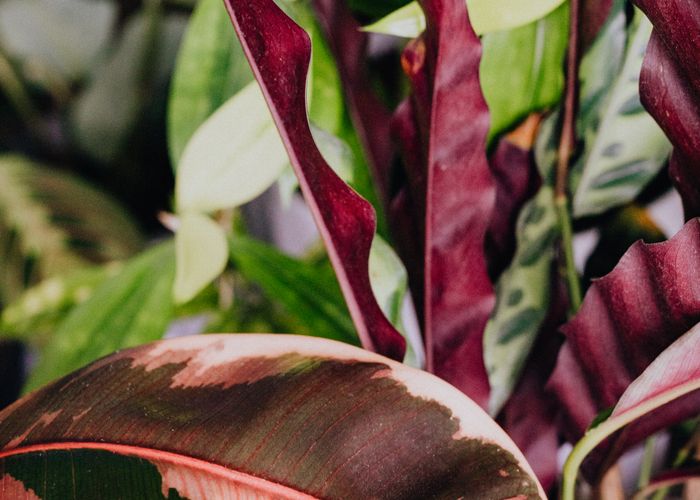
Acalypha (Acalypha wilkesiana)

The undisputed king of colorful hedges in the Philippines — acalypha delivers a living tapestry of copper, red, pink, and green mosaics that transforms ordinary garden borders into vibrant works of art, growing so fast and forgiving that even the most casual gardener can create a stunning privacy screen in months, not years.

Ornamental Hedge / Landscape Shrub Mildly Toxic (Sap Irritant)

About Acalypha

Acalypha wilkesiana — known universally in the Philippines as "copper plant" or copperleaf — is arguably the most widely planted ornamental hedge shrub in Filipino residential and commercial landscaping. Walk through any subdivision, barangay street, school campus, or church compound in the Philippines and you will almost certainly encounter acalypha forming colorful boundaries, borders, and privacy screens. Its extraordinary prevalence stems from a perfect combination of qualities: spectacular foliage colors that rival any flowering shrub, bulletproof tolerance of Philippine heat and humidity, rapid growth that creates functional hedges in months, and near-zero maintenance requirements once established.

The species belongs to the Euphorbiaceae (spurge family), a vast plant family that includes poinsettia, rubber tree, and cassava. Like many euphorbias, acalypha produces a milky latex sap when stems are cut — mildly irritating to skin but not dangerously toxic. The genus Acalypha contains over 450 species distributed throughout tropical regions, but A. wilkesiana is by far the most important ornamental species and the one cultivated throughout the Philippines. Native to Fiji, Vanuatu, and surrounding Pacific Islands, acalypha was introduced to the Philippines during the colonial era and has since become naturalized and ubiquitous — so thoroughly integrated into the Philippine landscape that many Filipinos consider it a native plant.

What makes acalypha extraordinary as an ornamental is not any single leaf color but the sheer diversity of foliage patterns available. Varieties exist with leaves in solid copper, deep burgundy red, bright pink, orange-red, green-and-cream margins, pink-green-cream tri-colors, mottled mosaics resembling abstract paintings, and crinkled textures that add a three-dimensional quality. No two varieties look alike, and a collection of different acalypha cultivars creates a living color palette that changes seasonally and with light conditions. In full sun, the colors blaze with intensity; the copper tones practically glow in afternoon light.

Acalypha grows as a multi-stemmed shrub reaching 2-4 meters tall if unpruned, with a naturally bushy, upright habit that responds magnificently to regular trimming. Each pruning cut stimulates multiple new branches, creating the dense growth that makes acalypha so effective as a hedge. The leaves are 10-20 cm long, ovate, with serrated margins — their surfaces displaying the variety's characteristic coloration. New growth typically shows the most intense colors, which is why regularly trimmed hedges appear more vivid than neglected ones. The inconspicuous flowers are small catkin-like spikes, not ornamentally significant — acalypha is grown entirely for its foliage impact.

History & Discovery

Acalypha wilkesiana was first scientifically described and introduced to horticulture through the United States Exploring Expedition (1838-1842) led by Commander Charles Wilkes — hence the species name "wilkesiana." The expedition collected specimens in Fiji, where the plant grew as a native garden ornamental cultivated by Pacific Islanders for its colorful foliage. From these collections, acalypha entered European and American tropical botanical gardens, and from there spread rapidly throughout tropical horticulture worldwide during the late 19th century.

The plant reached the Philippines during the Spanish and American colonial periods, likely introduced through Manila's botanical gardens and the landscaping of colonial government buildings, churches, and parks. By the mid-20th century, acalypha had become thoroughly established in Philippine horticulture — planted in schools, churchyards, municipal buildings, and residential gardens throughout the archipelago. Its ease of propagation from cuttings meant it spread rapidly through communities: neighbors shared cuttings freely, and any pruning generated material for new plants.

Today, acalypha is so deeply embedded in Filipino landscaping culture that it represents the default "hedge plant" in public consciousness. When Filipino homeowners want a colorful living fence, acalypha is the first plant considered. Plant markets (tiangge) sell rooted cuttings for as little as ₱30-50, making it accessible to all income levels. The emergence of new varieties through selection and importation — particularly crinkled-leaf and multi-colored forms — keeps the genus fresh and collectible even among experienced gardeners who might consider the classic copper variety too common.

How to Plant Acalypha in the Philippines

Acalypha is among the most affordable and accessible landscape plants in the Philippines. Rooted cuttings cost ₱30-50 at weekend plant markets and along roadsides; potted nursery specimens run ₱50-100; premium or rare varieties reach ₱100-200. For large hedge projects, propagating your own cuttings from a single mother plant is the most economical approach — one mature acalypha can generate dozens of cuttings per pruning session.

Planting Steps

  1. Select a full-sun location for best color: Acalypha's vibrant copper, red, and pink tones develop only in full sun (6+ hours direct light daily). Plants in shade become leggy with washed-out, greener leaves. South-facing and west-facing exposures are ideal. For hedges along property perimeters, confirm the line gets adequate sun throughout the day — avoid spots shaded by large trees or buildings for most of the day.
  2. Prepare soil with compost and drainage: Dig a trench (for hedges) or individual holes 30-40 cm deep and wide. Mix excavated soil with compost or aged manure (3:1 ratio). If soil is heavy clay, add coarse sand or rice hull for drainage. Acalypha tolerates most soil types but grows best in moderately fertile, well-draining ground. Slightly acidic to neutral pH (5.5-7.0).
  3. Space plants for your hedge density goal: Dense privacy hedge: 30-45 cm apart (fills in within 6-12 months). Medium hedge: 45-60 cm apart. Loose border or specimen planting: 60-90 cm apart. Plant at the same depth as the nursery pot. For direct-cutting planting: insert 20-30 cm hardwood cuttings into moist prepared soil at the same spacing — 70-80% will root during wet season.
  4. Water consistently for the first month: Keep soil moist (not waterlogged) for 4-6 weeks until roots establish and new growth appears. Water daily or every other day during hot, dry weather. Once established (visible new growth, resistance when gently tugged), reduce to deep watering twice weekly during dry season. Mulch around the base with dried leaves or rice hull to retain moisture.
  5. Begin trimming once growth establishes: Start light shaping once plants are actively growing (typically 6-8 weeks after planting). Early trimming encourages lateral branching that creates hedge density. Don't wait until the hedge is full-sized to begin shaping — start training the form early. Use sharp hedge shears for clean cuts that heal quickly.

Propagation

Stem cuttings (primary method): Cut 15-25 cm semi-hardwood or hardwood stems. Remove lower leaves. Allow cut to dry briefly. Plant in moist medium or directly in garden soil during wet season. Roots develop in 2-4 weeks. Success rate: 70-90%. Tip cuttings (10-15 cm soft growth) root fastest but wilt easily — keep in humidity. Best timing: early wet season (June-July). One mature hedge plant yields 20-50 cuttings per major pruning, making acalypha effectively free to propagate at scale.

Care Guide

Sunlight

Full sun — 6+ hours of direct sunlight daily is essential for developing the rich copper, red, and pink foliage colors that make acalypha valuable as an ornamental. The relationship between light intensity and foliage color is direct and dramatic: plants in full sun blaze with saturated pigments; plants in partial shade (3-5 hours sun) show moderate coloration; plants in heavy shade lose color almost entirely, producing dull green foliage and leggy, sparse growth. If your acalypha is not showing good color, the first diagnosis is always light — move it or remove shading obstacles.

Water

Moderate once established. During the Philippine wet season, established hedges rarely need supplemental irrigation — rainfall is sufficient. During dry season (November-May), water deeply once or twice weekly. Newly planted acalypha and container plants need more frequent watering — every 1-2 days during hot weather. Acalypha signals water stress by drooping leaves and dropping older foliage. Good drainage is important: while the plant likes consistent moisture, waterlogged roots cause decline. Mulching conserves soil moisture and reduces watering frequency.

Soil

Adaptable — acalypha grows in most Philippine soil types including sandy, loamy, and clay soils, provided drainage is adequate. Moderately fertile, well-draining soil produces the best growth. Amend heavy clay with compost and sand. pH tolerance is broad: 5.5-7.0. For container growing, use standard potting mix with perlite for drainage. In-ground hedges benefit from compost top-dressing annually to maintain fertility and soil structure.

Humidity & Temperature

Acalypha thrives in Philippine tropical conditions: high humidity (60-85%) and warm temperatures (25-35°C). It has no issues with the intense Philippine summer heat that stresses many ornamentals. Cold tolerance is limited — damage occurs below 10°C, which is rarely a concern in lowland Philippines but relevant for highland areas (Baguio, Tagaytay). Strong typhoon winds can break branches but the plant recovers quickly from wind damage through vigorous regrowth.

Fertilizer

Moderate to heavy feeder for best performance. Apply balanced granular fertilizer (14-14-14 or 16-16-16) quarterly — scatter around the root zone and water in. Hedges benefit from a complete application along their entire length. Organic options: compost or aged manure top-dressing every 2-3 months, vermicast, or diluted organic liquid feed. For maximum foliage color intensity, some growers supplement with potassium-rich fertilizer. Avoid over-fertilizing with nitrogen alone, which promotes green growth at the expense of color pigments.

Pruning

Regular pruning is THE key to maintaining a beautiful, dense acalypha hedge. Trim every 4-6 weeks during the growing season using sharp hedge shears. Shape slightly wider at the base (trapezoidal profile) so lower branches receive adequate sunlight — this prevents the common problem of bare, leggy bases. Hard rejuvenation pruning (cutting back to 30-50 cm stubs) can be done annually in early wet season for severely overgrown or leggy hedges — acalypha rebounds vigorously, producing dense new growth within 6-8 weeks. New growth after pruning displays the most intense leaf coloration.

Growing Medium Options

Garden Soil (In-Ground)

Best

Native garden soil amended with compost provides the ideal growing environment for acalypha hedges. In-ground planting allows unrestricted root development, access to ground moisture, and the vigorous growth needed for hedge formation. Amend heavy clay with sand and compost for drainage. Most acalypha in the Philippines is grown directly in-ground as landscape hedging — this is the natural and optimal context for the species.

Potting Mix (Containers)

Good

Standard potting mix with perlite or pumice for drainage works well for container-grown acalypha on balconies, rooftops, and patios. Use pots 25-30 cm minimum diameter. Container plants stay smaller and need more frequent watering and feeding than in-ground specimens. Good option for renters, condo dwellers, or small space gardens where in-ground planting is not possible. Repot annually as the plant fills its container.

Water / Hydroponics

Not Recommended

Acalypha is not suited to hydroponic or water culture as a long-term growing method. While stem cuttings can be rooted in water temporarily, the plant requires soil-based growing for sustained health and the vigorous growth needed for hedge functions. The woody shrub nature of acalypha is fundamentally incompatible with hydroponic systems designed for herbaceous plants.

Ornamental Uses

Acalypha's primary ornamental role in the Philippines is as a hedge and border plant — a living fence that provides privacy, boundary definition, wind screening, and color all in one package. Its rapid growth, dense habit, and tolerance of frequent trimming make it the premier hedge species in Philippine tropical landscaping, used from modest barangay gardens to upscale subdivision entrances.

Landscape Applications

  • Privacy hedge and living fence: The most common use — dense acalypha hedges 1-2.5 m tall replace or supplement concrete and metal fences with a softer, more attractive boundary. When maintained at proper density, acalypha hedges are effectively opaque, providing visual screening equivalent to a solid fence while offering superior aesthetics, wind filtering, and dust reduction
  • Property boundary marker: Low-maintenance acalypha hedges clearly define property lines between neighbors — a traditional use in Philippine subdivisions and rural properties. Less adversarial than a concrete wall while equally clear in establishing boundaries
  • Color accent border: Lower hedges (50-80 cm) in vibrant copper or red varieties create striking borders along driveways, walkways, garden beds, and building foundations. The intense foliage color provides permanent year-round visual interest without depending on seasonal flowering
  • Mass planting and ground cover: Dense mass plantings of a single variety create bold blocks of color in landscape designs — particularly effective for commercial properties, resorts, church grounds, and public parks where large-scale visual impact is desired

Design Combinations

  • With flowering shrubs: Acalypha's colored foliage complements flowering plants — copper acalypha behind yellow alamanda, red copperleaf backing white gardenias, or pink varieties framing purple bougainvillea create sophisticated color harmonies
  • Mixed variety hedges: Alternating different acalypha varieties (copper + green-cream + pink) in a single hedge creates a multicolored tapestry effect — popular in resort and commercial landscaping
  • Foundation planting: Rows of acalypha along building foundations soften architectural lines while providing year-round color at the building's base — common in schools, churches, and government buildings throughout the Philippines

Air Quality & Oxygen

As a dense, fast-growing shrub with abundant foliage, acalypha contributes meaningfully to local air quality improvement — particularly valuable in urban Philippine settings where air pollution from vehicles and industry is a concern. Dense acalypha hedges along roadsides and property perimeters act as living filters, trapping particulate matter (dust, PM2.5, PM10) on their leaf surfaces and absorbing gaseous pollutants through stomatal uptake.

The broad, slightly rough-textured leaves of acalypha are effective at capturing airborne dust particles — a significant benefit along busy Philippine roads where vehicular emissions and road dust are constant. Regular rainfall washes accumulated particles from leaves, renewing the filtering capacity. Dense hedges also function as windbreaks that reduce dust penetration into garden areas and buildings behind them. The oxygen production of a mature acalypha hedge is substantial given the volume of actively photosynthesizing foliage — particularly in full sun where photosynthetic rates are highest. For urban Filipino gardens, a well-maintained acalypha hedge provides measurable improvements in the microclimate of the enclosed garden space: cleaner air, reduced dust, lower wind speed, and higher oxygen levels.

Toxicity & Safety

Humans: Acalypha is classified as MILDLY TOXIC. The milky white latex sap produced when stems are cut can cause contact dermatitis — skin irritation, redness, and itching in sensitive individuals. The sap is most concentrated in fresh-cut stems, making hedge trimming the primary exposure scenario. Wear gloves during heavy pruning and wash hands after handling cut stems. If sap contacts eyes, flush immediately with water. Ingestion of leaves or stems may cause nausea, vomiting, diarrhea, and abdominal discomfort — typically mild and self-limiting. Keep away from small children who might chew leaves out of curiosity.

Pets: Dogs and cats may experience mild gastrointestinal upset (vomiting, diarrhea) if they chew acalypha foliage. The sap can irritate oral tissues. Toxicity is generally MILD — not life-threatening in typical exposures. Most pets avoid the plant after initial contact due to the bitter, irritating sap. Monitor pets that are known plant-chewers and redirect them. The outdoor hedge context means most pets have limited interest in chewing acalypha compared to potted indoor plants. Despite mild toxicity, acalypha is grown in virtually every Philippine neighborhood without significant incident — normal landscape use presents minimal risk.

Common Pests & Diseases in the Philippines

  • Mealybugs: White cottony clusters at leaf axils and stem junctions — common on stressed or overcrowded acalypha. Suck sap, causing yellowing and stunted growth. Treat with neem oil spray, insecticidal soap, or systemic insecticide for heavy infestations. Good air circulation from proper spacing reduces incidence.
  • Spider mites: Tiny mites causing fine stippling and webbing on leaf undersides — more common during hot, dry season. Leaves may develop a dull, bronzed appearance. Spray with strong water jet to dislodge. Apply neem oil or miticide for persistent infestations. Increase humidity around plants.
  • Whiteflies: Small white flying insects that cluster on leaf undersides, sucking sap and excreting honeydew. Yellow sticky traps help monitor and reduce populations. Neem oil or insecticidal soap for treatment. More problematic in enclosed or sheltered locations with poor air movement.
  • Leaf spot diseases (Cercospora, Colletotrichum): Brown or dark spots on leaves, sometimes with yellow halos — fungal diseases favored by warm, wet conditions and poor air circulation. Remove affected leaves, improve spacing for airflow, avoid overhead watering. Copper-based fungicide for severe cases.
  • Root rot: Caused by persistent waterlogging, especially in heavy clay soil without amendments. Symptoms: wilting despite moist soil, yellowing leaves, plant decline. Prevention: good drainage, raised planting if soil is heavy, avoid overwatering. Treatment for affected plants: improve drainage, reduce watering, apply beneficial microbes to soil.
  • Scale insects: Brown or tan bump-like insects on stems that suck sap, causing slow decline and branch dieback. Scrape off manually or apply horticultural oil. Heavy infestations may require systemic insecticide. More common on old, neglected hedges that lack vigor from pruning neglect.

Frequently Asked Questions

Is acalypha toxic to humans and pets?

MILDLY toxic. The milky sap causes skin irritation on contact and GI upset (nausea, vomiting) if ingested. Not life-threatening. Wear gloves when pruning, wash hands after handling. Keep away from small children. Pets may experience mild stomach upset from chewing leaves. Despite mild toxicity, acalypha is grown in virtually all Philippine neighborhoods without significant incidents.

How fast does acalypha grow as a hedge?

Very fast — 60-90 cm/year in ideal conditions. New 30 cm cuttings can form a functional 1-1.5 m privacy hedge within 6-12 months. This speed is both a benefit (fast screening) and obligation (frequent trimming needed). Acalypha creates a full hedge 2-3x faster than podocarpus or bougainvillea. Regular trimming every 4-6 weeks maintains density.

What are the best acalypha varieties for Philippine hedges?

Classic copper leaf (bronze-red, most common), 'Marginata' (pink-red margins), 'Godseffiana' (compact, green-white, good for borders), 'Musaica' (mosaic patterns), crinkled varieties (textured leaves in various reds). Prices: ₱30-50 for common cuttings, ₱50-100 potted nursery plants, ₱100+ for premium varieties.

Why is my acalypha losing color and becoming green?

Insufficient sunlight — the #1 reason. Acalypha needs full sun (6+ hours direct) for vivid copper/red/pink colors. In shade, it prioritizes chlorophyll (green). Solutions: relocate to sunnier spot, trim overgrown canopy to allow light, prune the hedge (new growth shows most color), fertilize adequately, and accept slight seasonal variation during overcast wet season.

How do you propagate acalypha?

Stem cuttings — extremely easy. Cut 15-25 cm semi-hardwood stems, remove lower leaves, plant in moist soil or prepared medium. Roots in 2-4 weeks. Success rate 70-90%. Best during wet season. One mature hedge yields 20-50 cuttings per pruning. Hardwood cuttings (20-30 cm) can be planted directly at hedge spacing during rains. Rooting hormone optional.

Can acalypha grow in pots?

Yes — minimum 25-30 cm pot with drainage. Use potting mix with perlite. Place in full sun. Water more frequently than in-ground (daily in summer). Feed liquid fertilizer every 2-4 weeks. Trim regularly for compact shape. Plants stay smaller (60-90 cm vs. 2-4 m in ground). Dwarf 'Godseffiana' is particularly suited to pots.

How tall does acalypha grow?

Unpruned: 2-4 meters tall, 1.5-2.5 m wide. As maintained hedge: typically 1-2.5 m depending on desired height. Reaches functional hedge height (1-1.5 m) within 6-12 months. Without trimming, becomes leggy and sparse at base. Regular shearing every 4-6 weeks maintains density at any desired height.

Is acalypha drought tolerant?

Moderately — once established (3-6 months in ground). Survives dry spells by dropping older leaves but recovers after rain. For best appearance, water deeply 1-2x weekly during dry season. Newly planted acalypha needs regular watering (daily in hot weather). Mulching conserves moisture and reduces watering needs significantly.

Sources

  • Plants of the World Online — Acalypha wilkesiana. Royal Botanic Gardens, Kew.
  • PROSEA (Plant Resources of South-East Asia) — Ornamental Plants. Backhuys Publishers.
  • Philippine Medicinal Plants Database — Acalypha wilkesiana. Stuart Exchange.
  • Whistler, W.A. (2000). Tropical Ornamentals: A Guide. Timber Press.
  • Philippine Council for Agriculture, Forestry and Natural Resources Research and Development (PCARRD) — Landscape Plants Guide.

This guide is for informational purposes. Acalypha sap is mildly irritating — wear gloves when pruning and keep away from small children.

Growing an acalypha hedge in your Filipino garden? Tag us @urbangoesgreen and show off your colorful living fence!