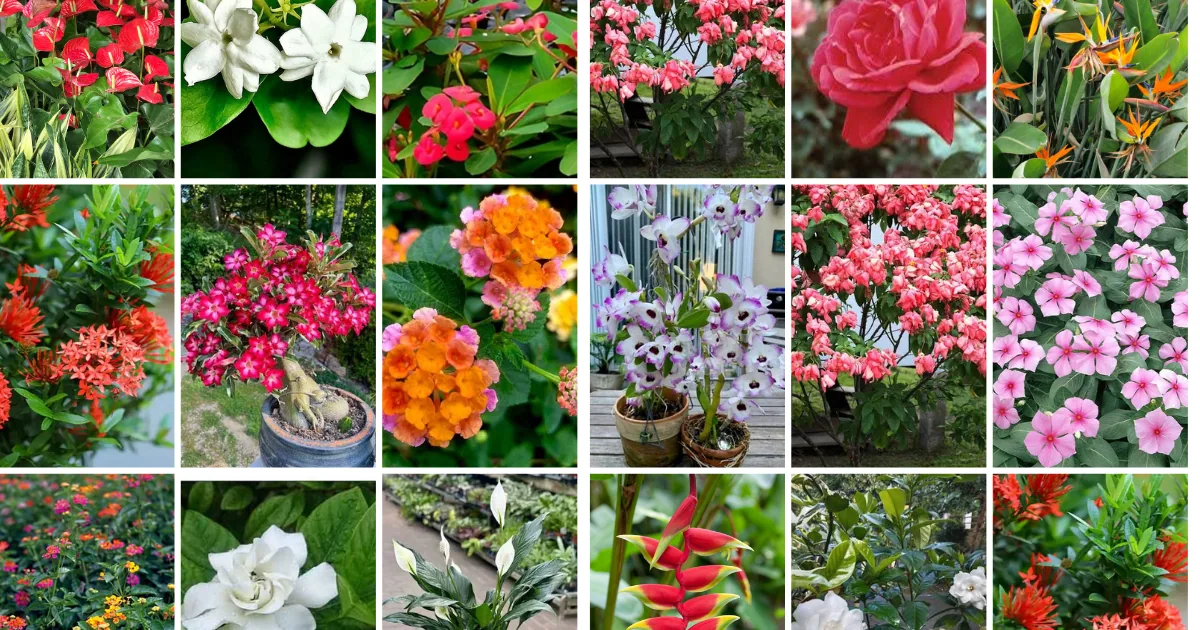
Why Flowering Plants Thrive in the Philippines
Flowering plants in the Philippines benefit from year-round warm temperatures, high humidity, and abundant rainfall. The tropical climate creates perfect conditions for blooming, and many popular garden flowers are actually native to Southeast Asia.
Whether you have a sprawling garden in the province or a small balcony in a Metro Manila condo, there is a flowering plant that suits your space. This guide covers 20 of the best options, from hardy outdoor shrubs to elegant indoor bloomers.
Best Outdoor Flowering Plants
1. Bougainvillea
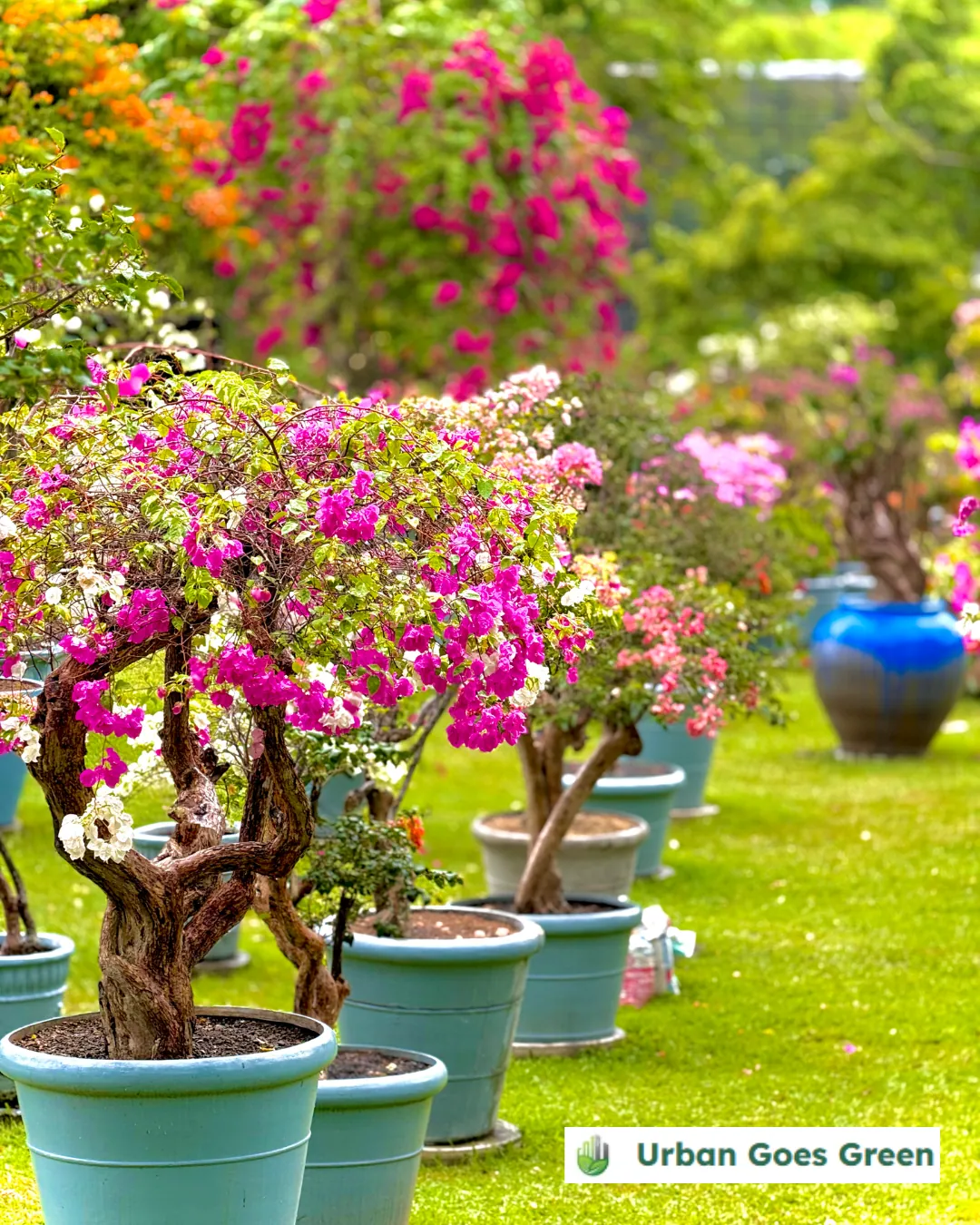
Bougainvillea is the most vibrant flowering plant in the Philippines. Its papery bracts come in hot pink, purple, orange, white, and red. This tough plant thrives in full sun and poor soil, making it nearly impossible to kill. It blooms heaviest during the dry season. If you have a pergola and some shade, the native tayabak (jade vine) is worth the wait for its turquoise flower clusters.
- Light: Full sun (6+ hours daily)
- Water: Sparingly. Drought stress encourages more blooms.
- Use: Fences, walls, pergolas, container specimen
See our bougainvillea plant guide.
2. Sampaguita (Jasminum sambac)
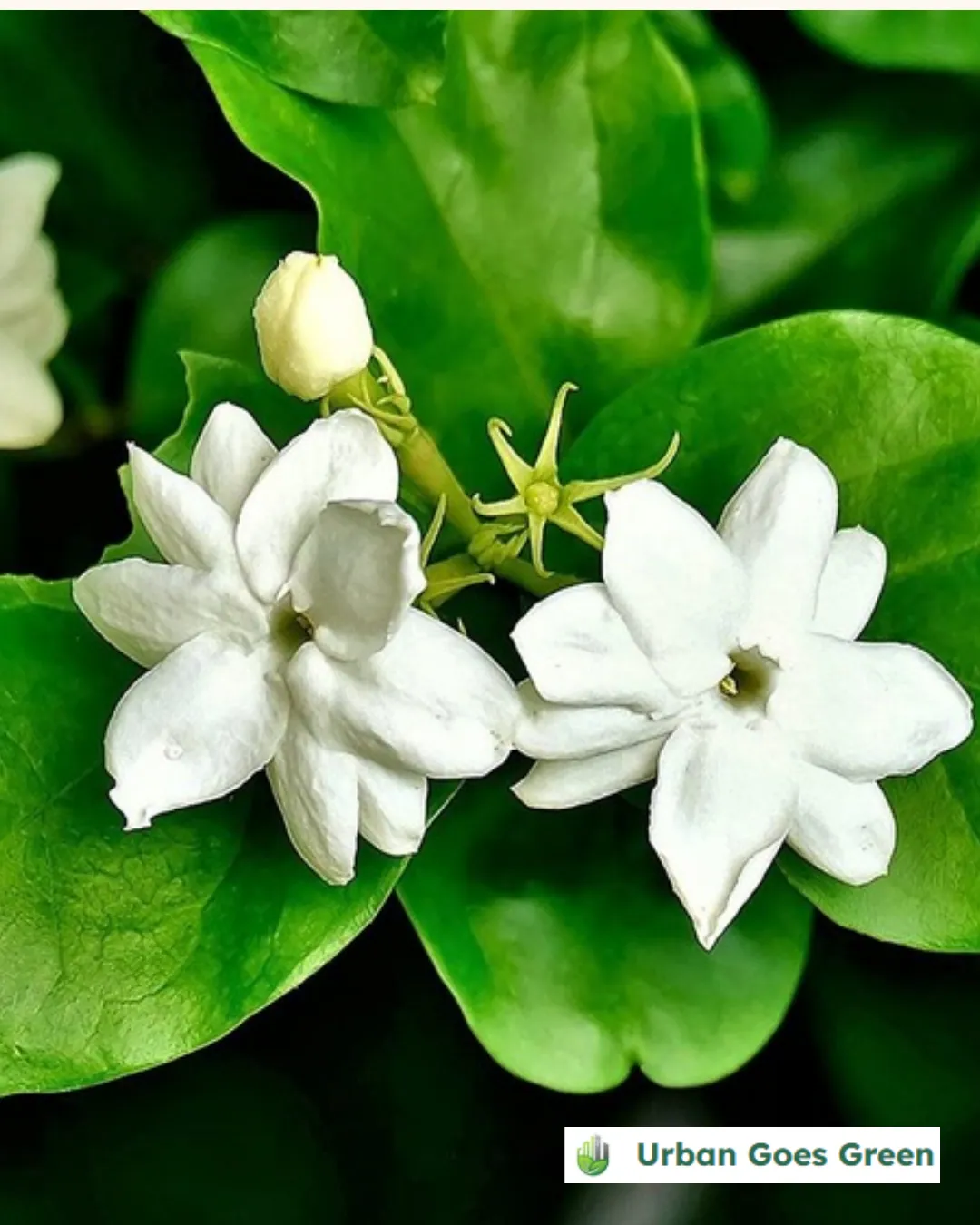
The national flower of the Philippines, sampaguita produces small white flowers with an intoxicating sweet fragrance. Filipino vendors string them into garlands sold at churches, cemeteries, and street corners. It blooms year-round with proper care.
- Light: Full sun to partial shade
- Water: Regular watering. Keep soil moist but not soggy.
- Use: Hedges, trellises, pot culture, garland production
Explore our sampaguita care guide.
3. Gumamela (Hibiscus rosa-sinensis)
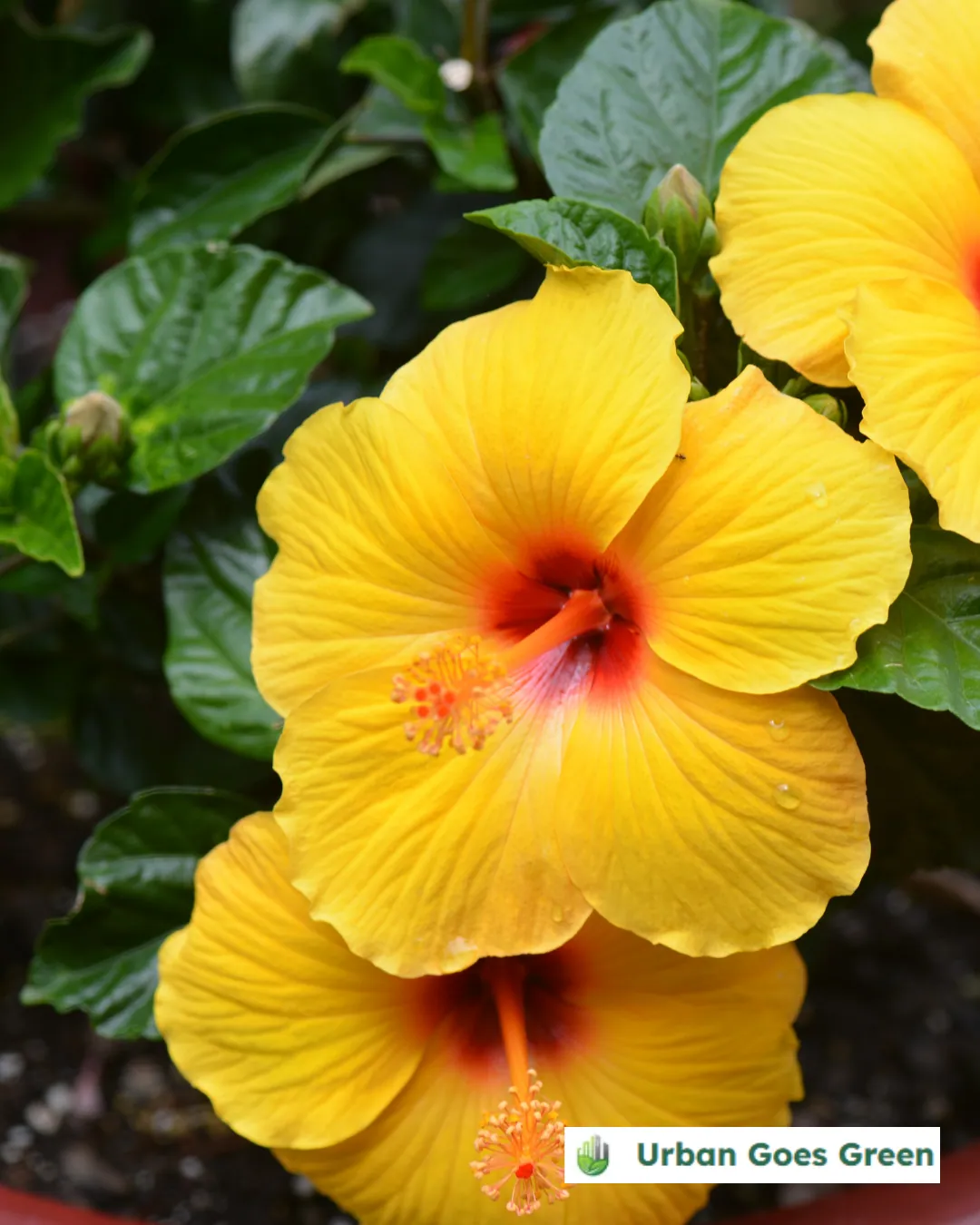
Gumamela is found in nearly every Filipino garden. This fast-growing shrub produces large, trumpet-shaped flowers in red, pink, orange, yellow, and white. Children traditionally use the flowers to make bubbles by crushing the petals with water.
- Light: Full sun for maximum blooming
- Water: Regular. Daily during the dry season.
- Use: Hedges, garden borders, standalone shrubs
Visit our gumamela directory page.
4. Santan (Ixora coccinea)
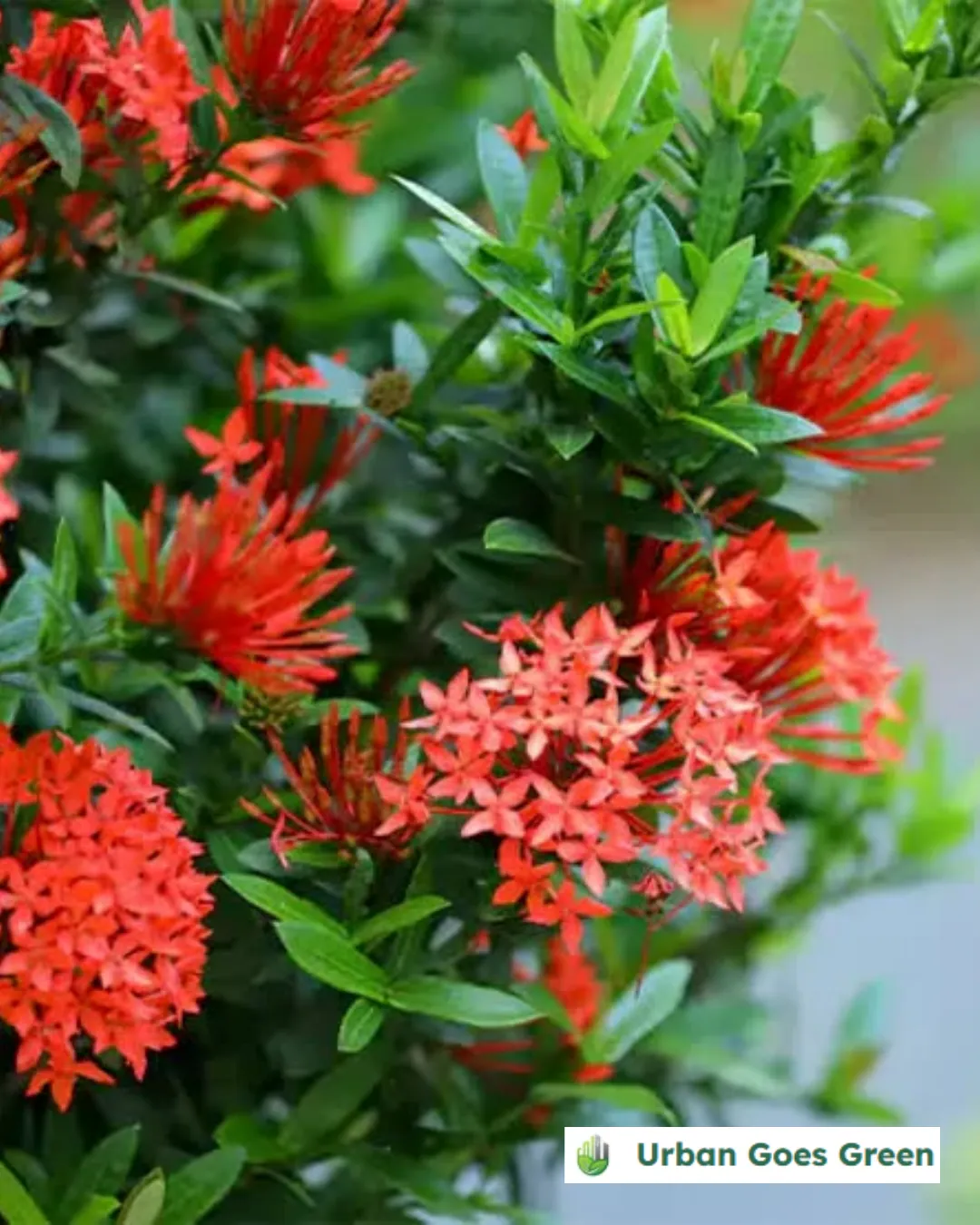
Santan produces dense clusters of tiny tubular flowers in red, orange, yellow, and pink. It is one of the most common hedge plants in Philippine gardens and blooms almost continuously throughout the year.
- Light: Full sun to partial shade
- Water: Regular. Tolerates brief dry spells.
- Use: Low hedges, borders, mass planting
Read our santan plant guide.
5. Plumeria (Kalachuchi)
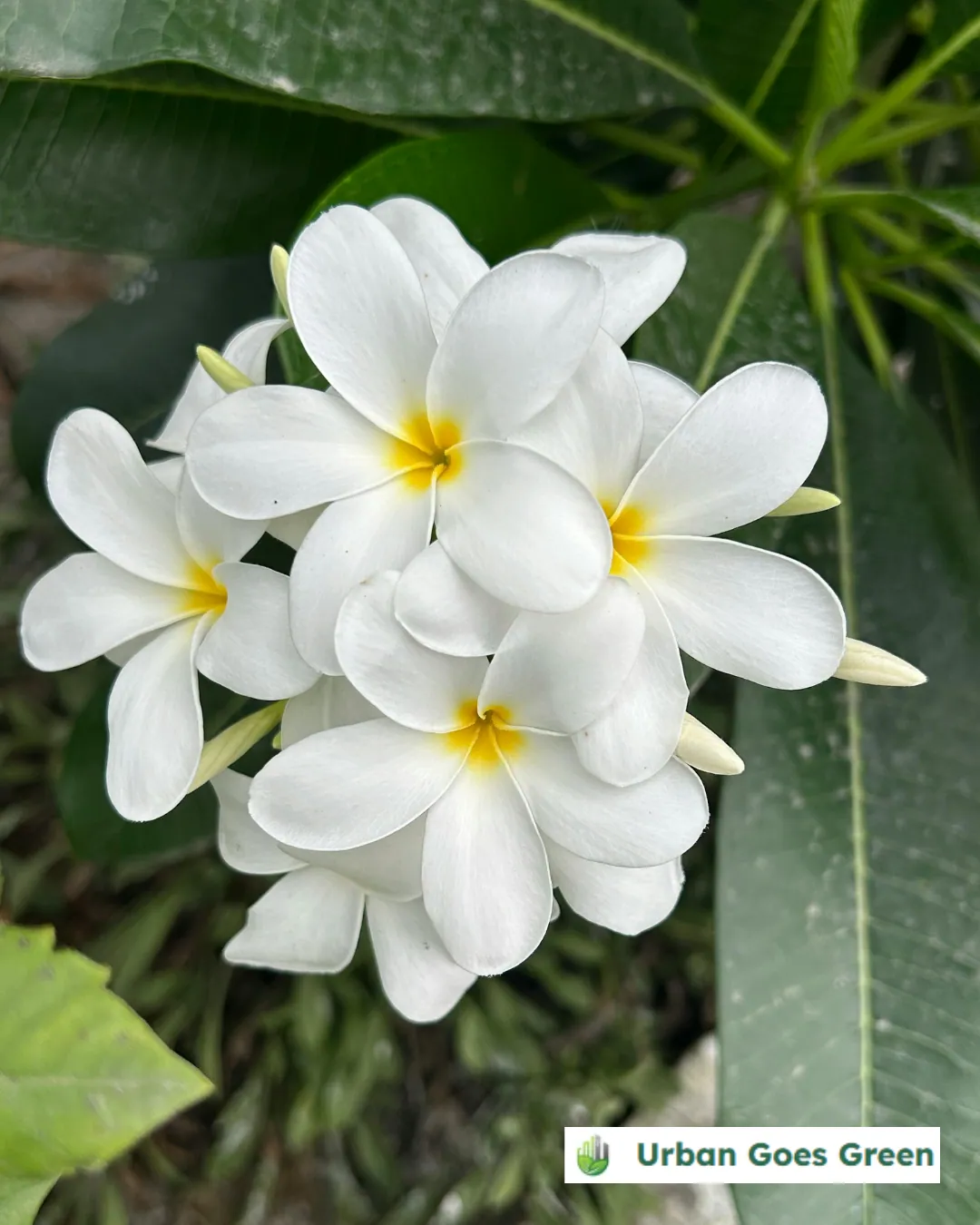
Plumeria trees produce clusters of fragrant, waxy flowers in white, yellow, pink, and red. Filipinos call it kalachuchi and associate it with cemeteries, though it grows beautifully in any garden. The flowers are used for lei and have a sweet tropical scent.
- Light: Full sun (6+ hours)
- Water: Moderate. Drought-tolerant once established.
- Use: Garden tree, container plant, landscape focal point
Check our plumeria care guide.
6. Rosal (Rosa)
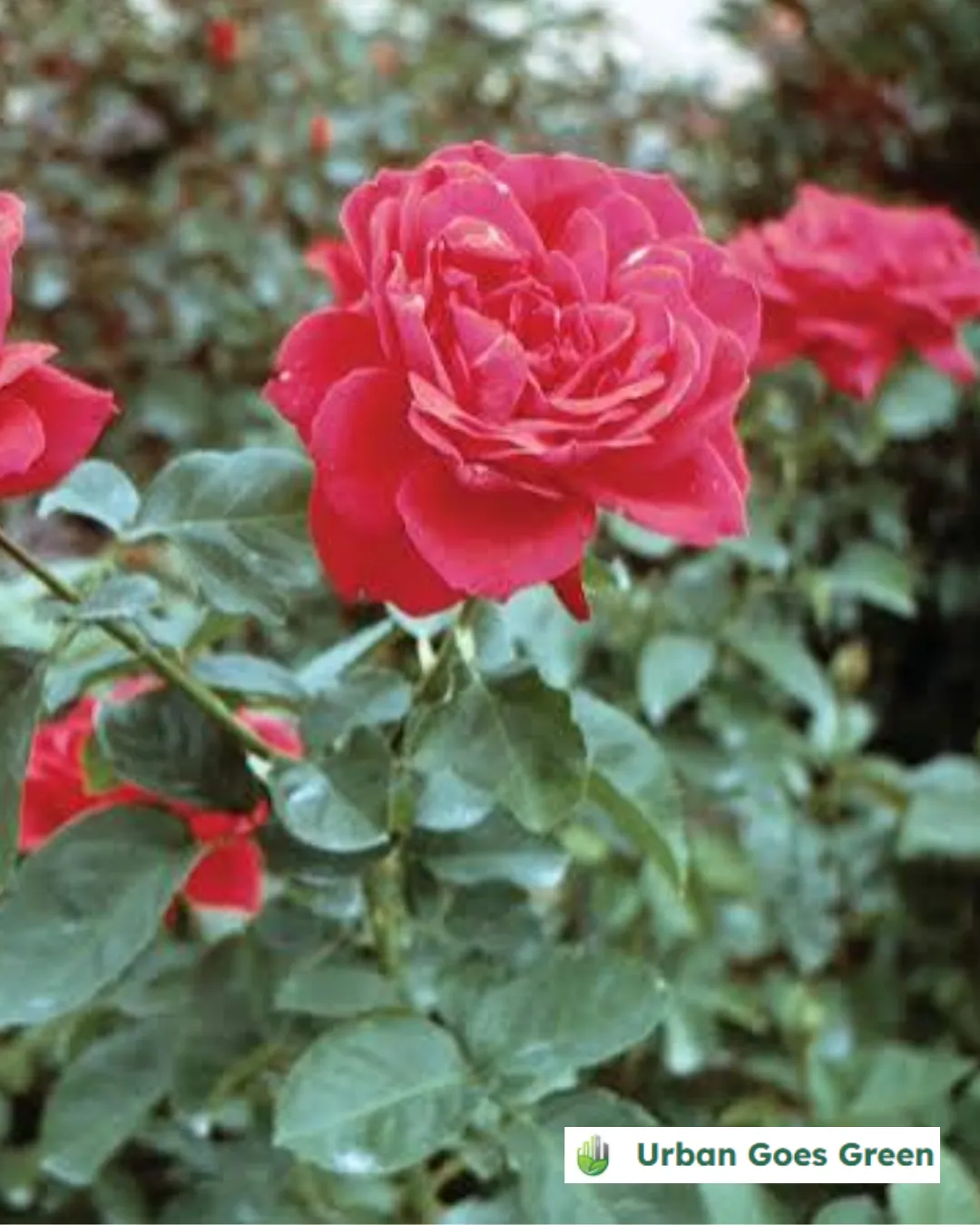
Roses grow well in the Philippines, especially in cooler areas like Baguio, Tagaytay, and higher elevations. Lowland gardeners can still grow tropical rose varieties that tolerate heat and humidity. Pruning after each flush of blooms encourages repeat flowering.
- Light: Full sun (minimum 5 hours)
- Water: Regular. Water at the base, not on leaves.
- Use: Cut flowers, garden beds, container growing
Browse our rosal (rose) plant guide.
7. Desert Rose (Adenium obesum)
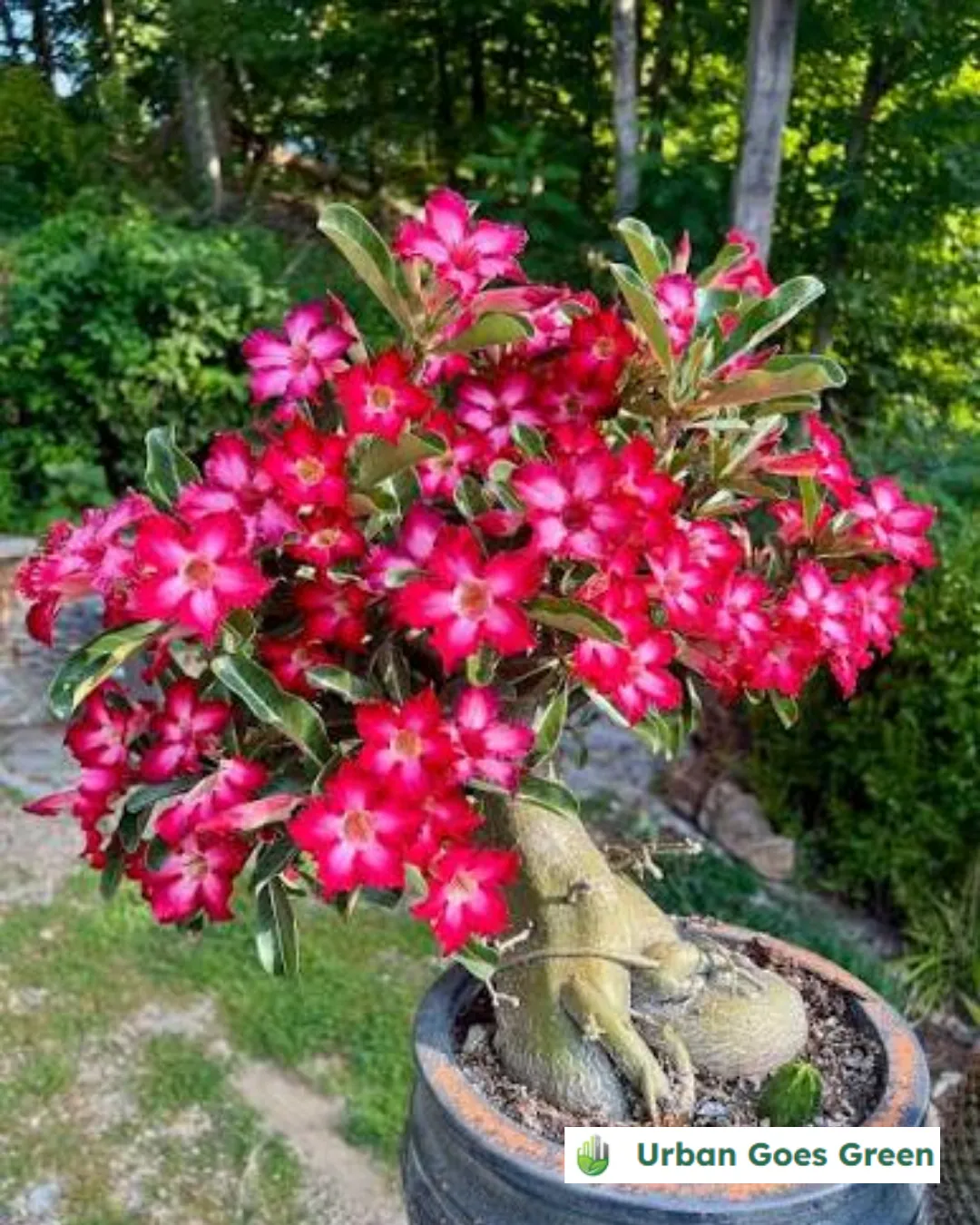
Desert rose thrives in the Philippine heat with its thick, swollen trunk and stunning pink or red flowers. This succulent-like plant needs minimal water and looks spectacular in pots on sunny patios and rooftops.
- Light: Full sun
- Water: Sparingly. Every 7 to 10 days.
- Use: Container specimen, rock gardens, sunny patios
See our desert rose plant guide.
8. Lantana (Lantana camara)
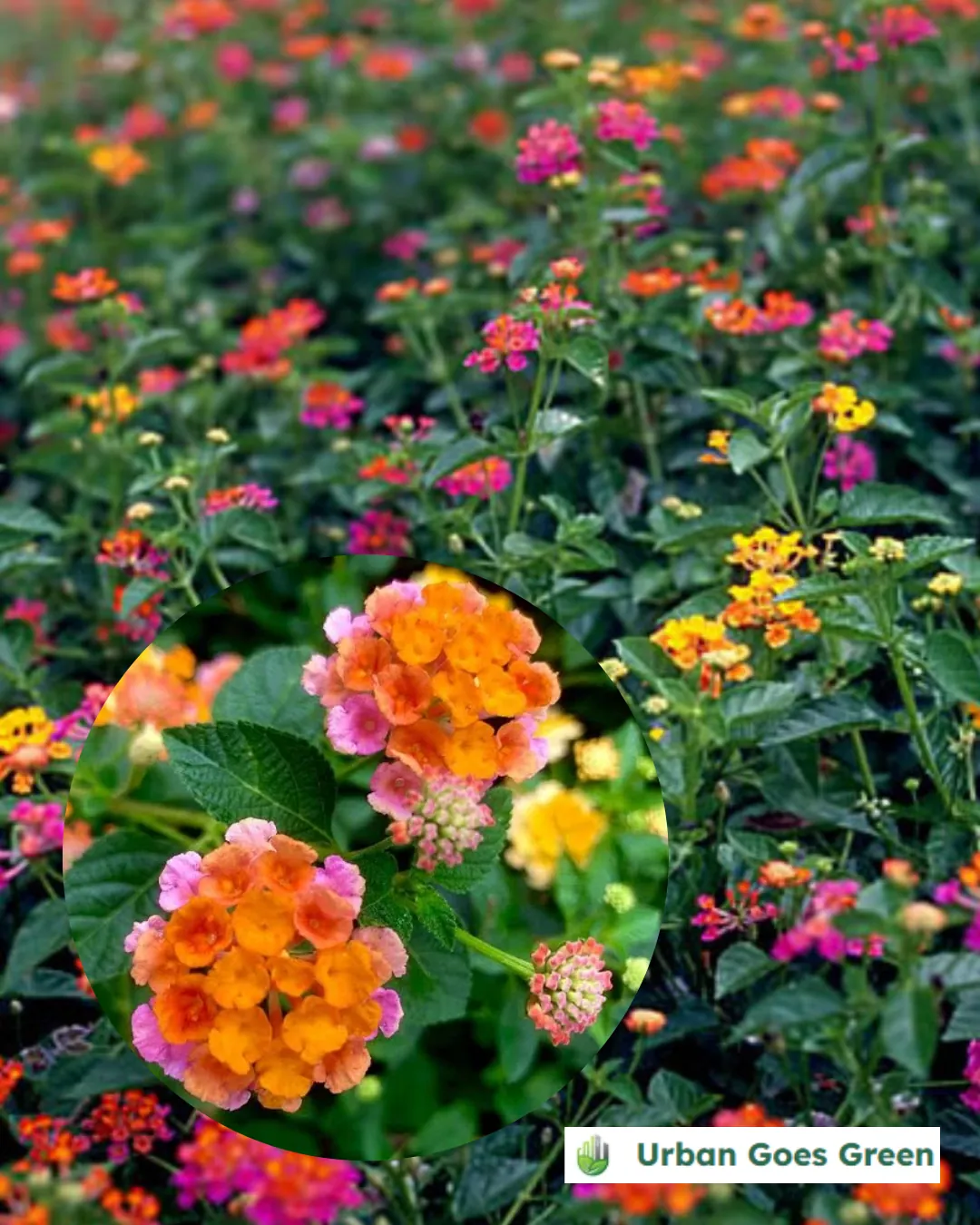
Lantana produces clusters of tiny flowers that change colour as they age, creating a multicoloured display. It attracts butterflies and is almost unkillable in the Philippine climate. Be aware it can become invasive if not managed.
- Light: Full sun
- Water: Minimal once established
- Use: Ground cover, borders, butterfly gardens
See our lantana plant guide.
9. Sunflower (Helianthus annuus)
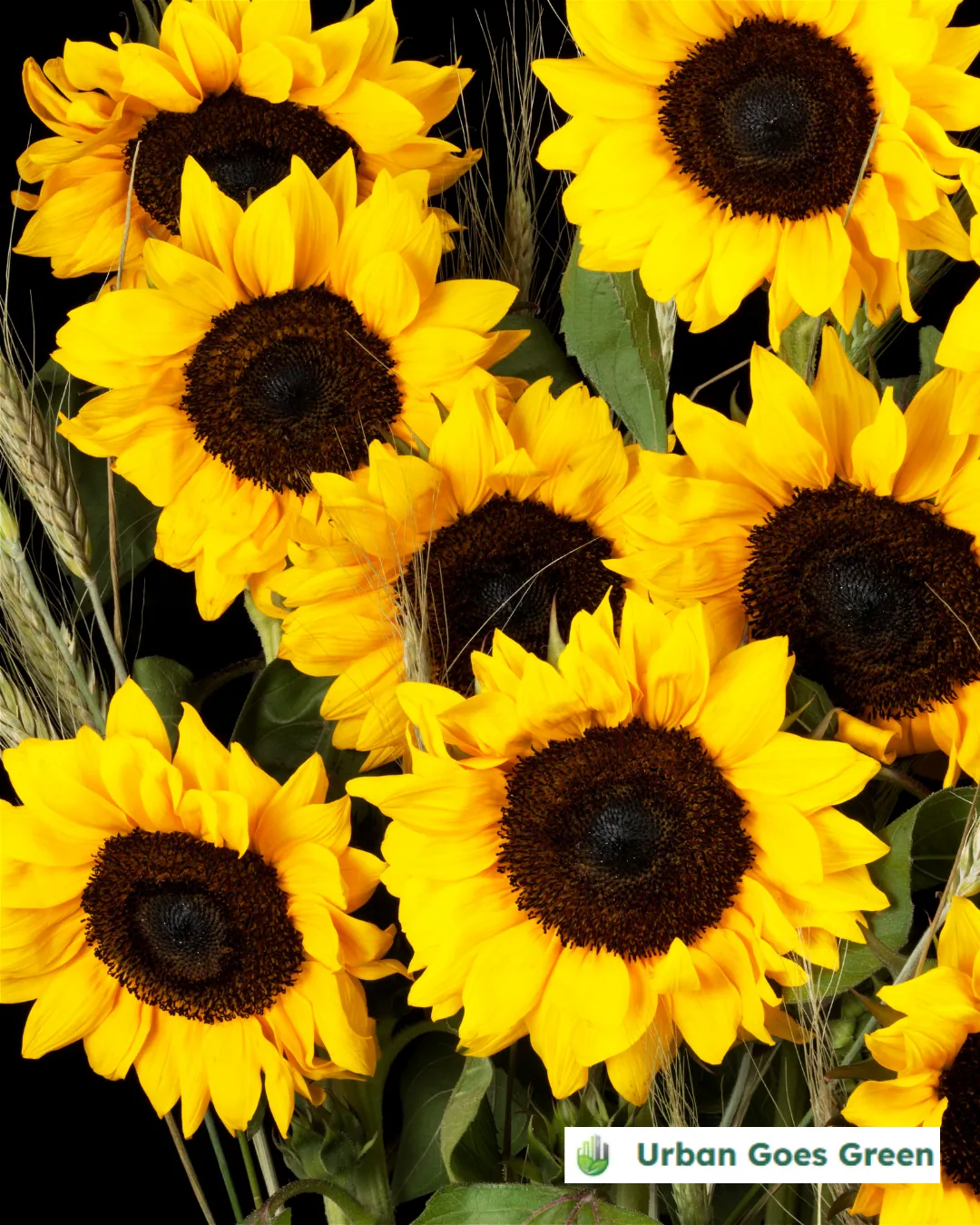
Sunflowers grow quickly in Philippine gardens and produce large, cheerful blooms in 60 to 90 days from seed. They need full sun and well-drained soil. Plant seeds directly in the ground during the dry season for best results.
- Light: Full sun (8+ hours)
- Water: Regular during establishment
- Use: Cut flowers, garden backdrop, seed harvest
See our sunflower plant guide.
10. Periwinkle (Catharanthus roseus)
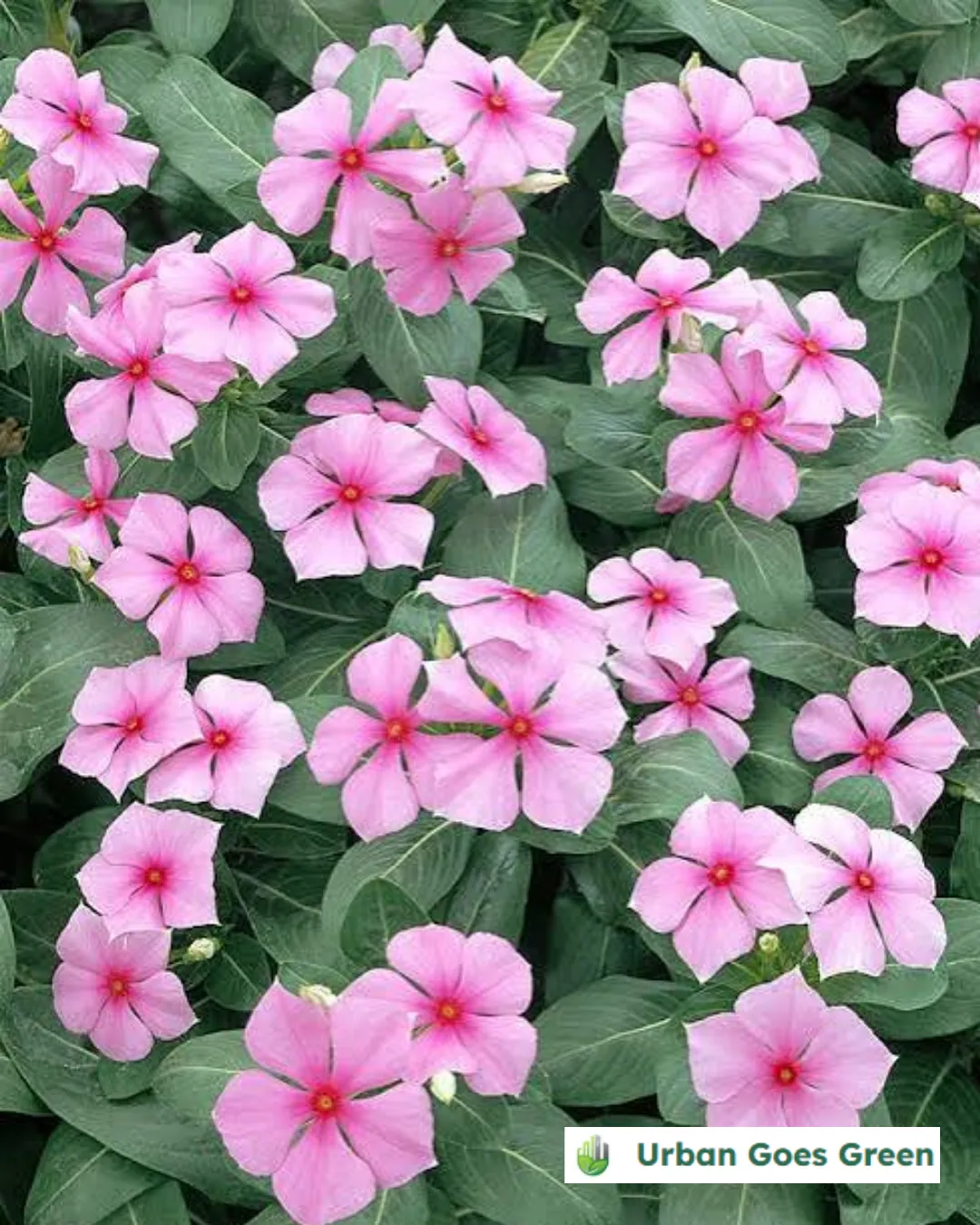
Periwinkle is one of the toughest flowering plants for Philippine gardens. It blooms non-stop in pink, white, purple, and red despite heat, drought, and poor soil. Perfect for filling garden beds with colour on a budget.
- Light: Full sun to partial shade
- Water: Minimal. Very drought-tolerant.
- Use: Ground cover, garden beds, borders, pots
Nutrient-Rich Soil for Blooming Plants
Flowering plants need phosphorus-rich soil for maximum blooms. Our premium loam soil provides the perfect base. Same-day delivery across Metro Manila.
See our periwinkle plant guide.
Best Indoor Flowering Plants
11. Orchid (Dendrobium)
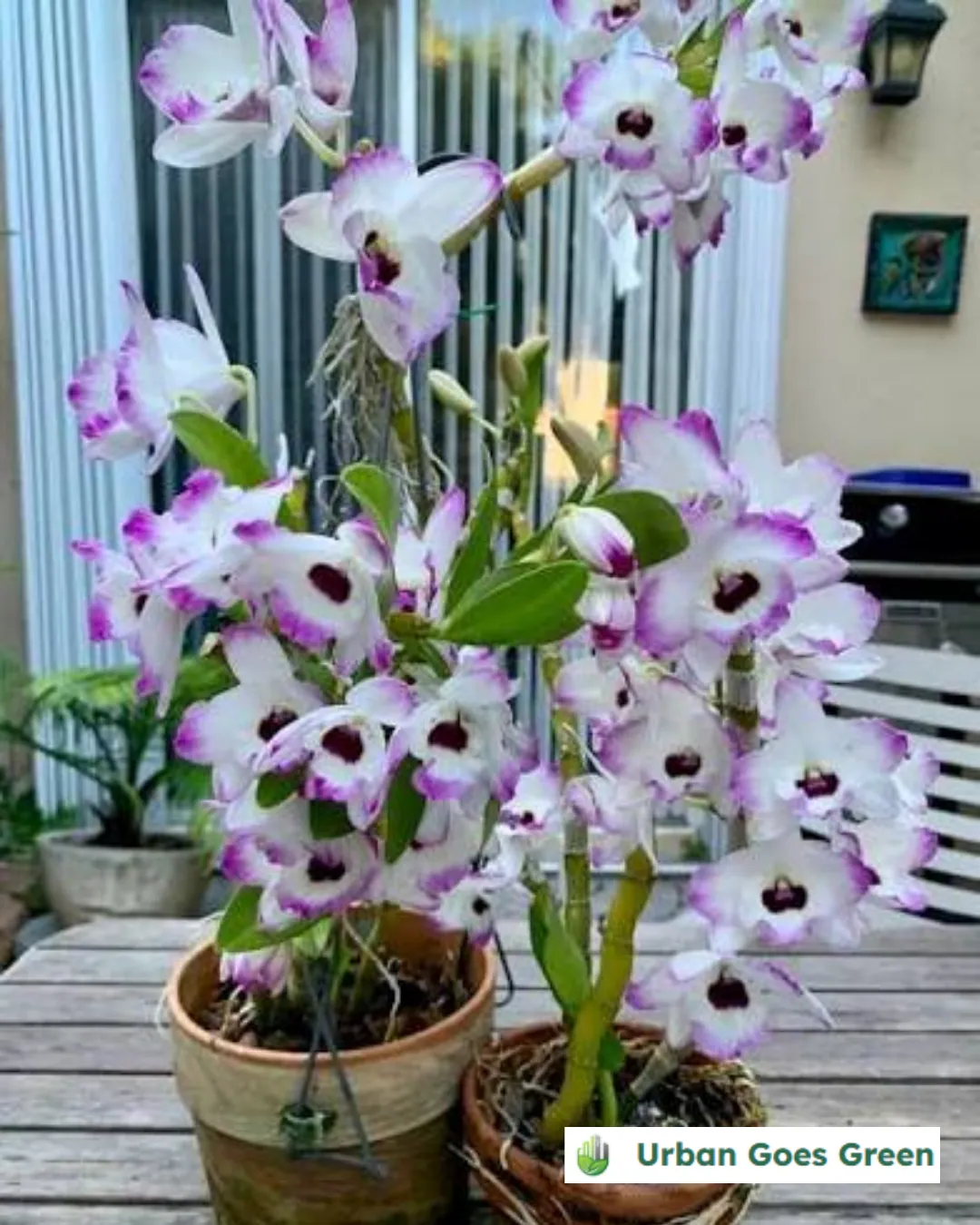
The Philippines is home to hundreds of native orchid species. Dendrobium orchids are the easiest to grow indoors, producing sprays of delicate flowers in purple, white, pink, and yellow. They bloom 2 to 3 times per year with proper care.
- Light: Bright indirect light near a window
- Water: Every 5 to 7 days. Let roots dry between waterings.
- Use: Windowsills, shelves, mounted on wood
See our orchid dendrobium guide.
12. Peace Lily (Spathiphyllum)
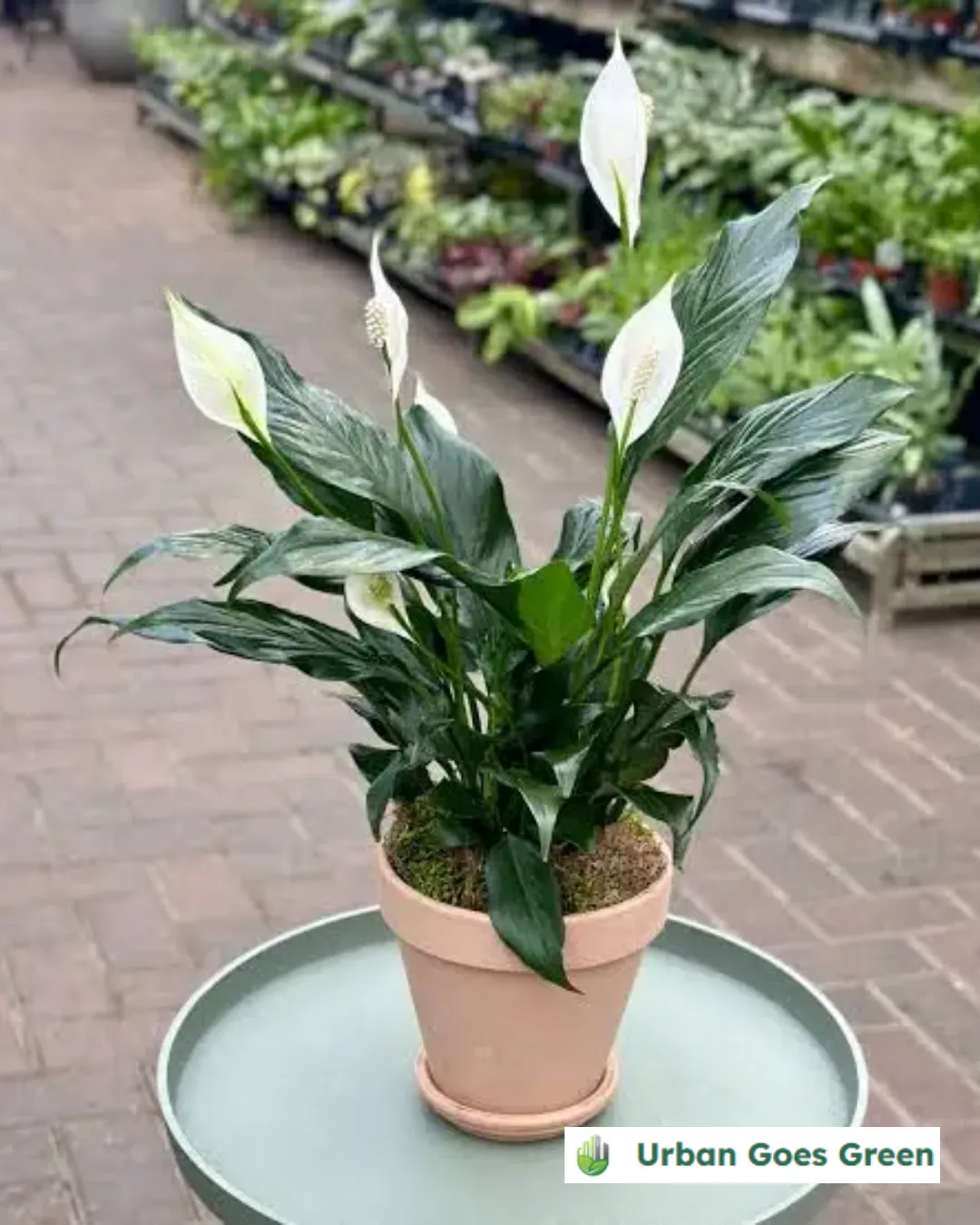
Peace lilies produce elegant white spathes that last for weeks. They thrive in low light and are excellent air purifiers. These plants are perfect for air-conditioned offices and living rooms in the Philippines.
- Light: Low to bright indirect light
- Water: Every 5 to 7 days. Wilts when thirsty (then recovers quickly).
- Use: Desks, living rooms, bathrooms
Visit our peace lily care guide.
13. Anthurium
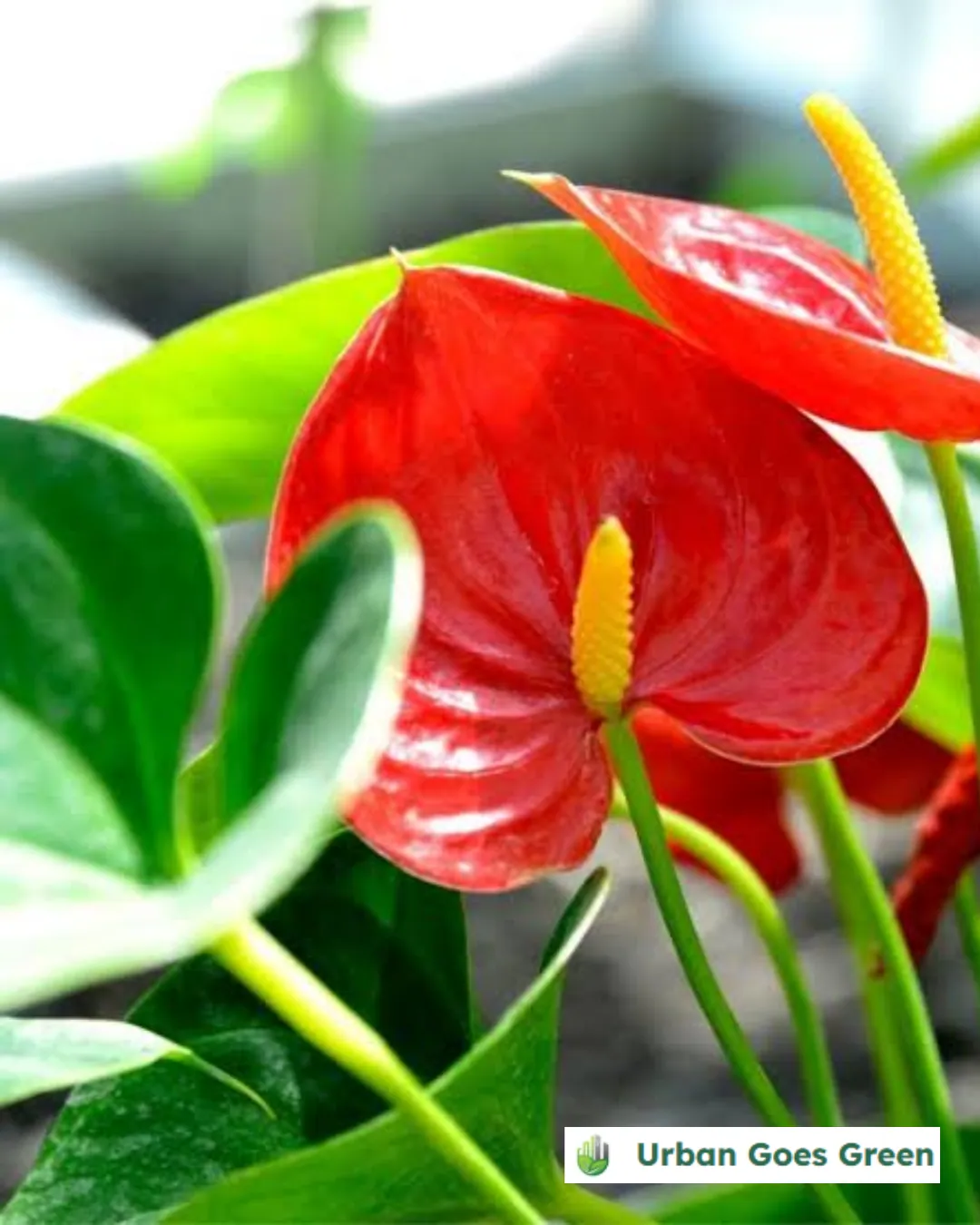
Anthuriums produce glossy, heart-shaped spathes in red, pink, white, and purple. They bloom continuously when given the right conditions. These tropical plants love the warm, humid Philippine air.
- Light: Bright indirect light
- Water: Every 5 to 7 days
- Use: Table centrepieces, shelves, office plants
Explore our anthurium plant guide.
14. Bromeliad
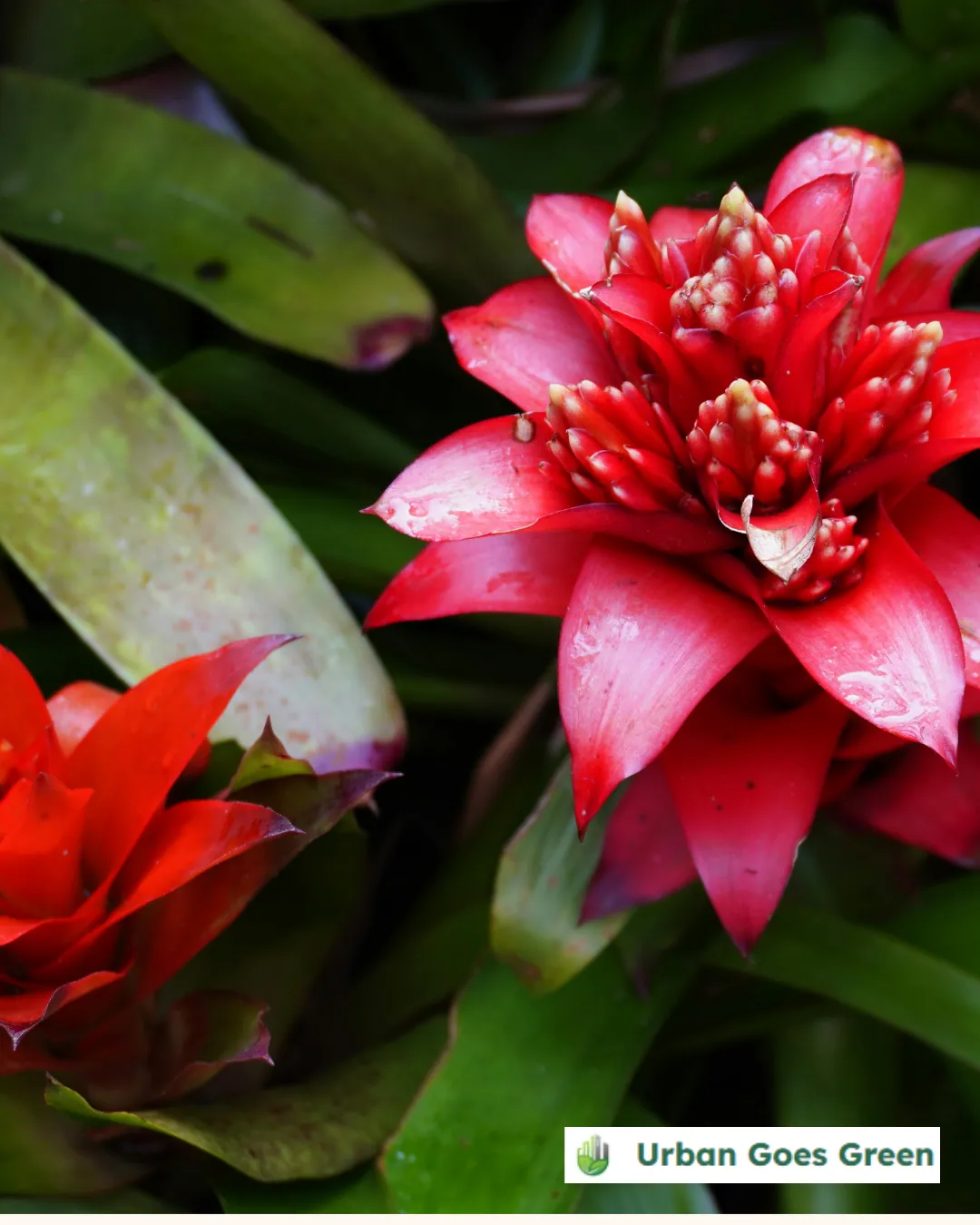
Bromeliads produce vibrant flower spikes in red, orange, yellow, and pink that last for months. They need minimal care and tolerate low light conditions. Many species grow well mounted on driftwood or tree trunks.
- Light: Bright indirect to moderate light
- Water: Fill the central cup with water weekly
- Use: Indoor specimen, mounted displays, shaded gardens
See our bromeliad plant guide.
15. African Violet (Saintpaulia)
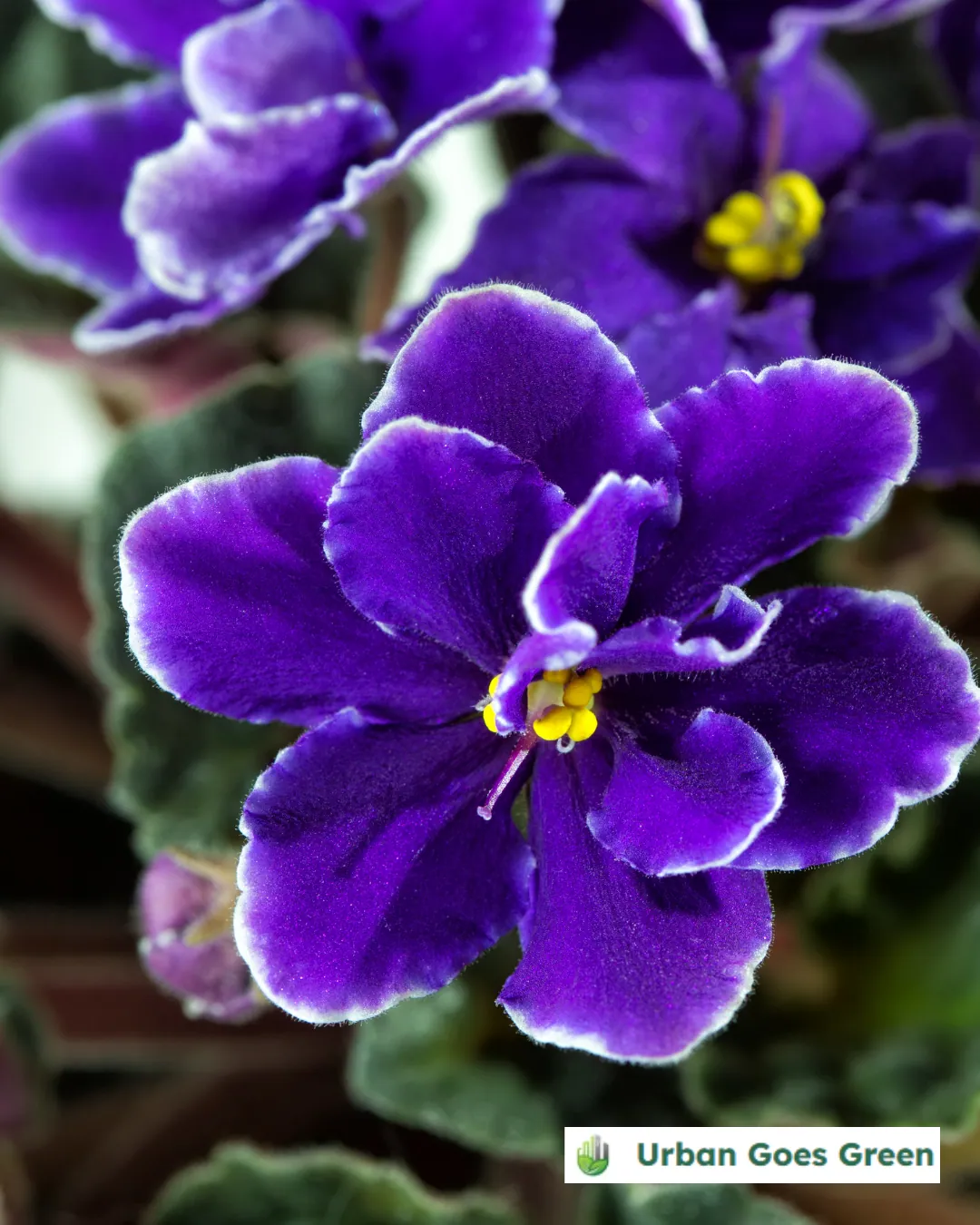
African violets produce clusters of small, velvety flowers in purple, pink, blue, and white. They bloom nearly year-round in air-conditioned Philippine homes. Keep water off the leaves to prevent spotting.
- Light: Bright indirect light. No direct sun.
- Water: Bottom water every 5 to 7 days
- Use: Windowsills, desks, shelves
See our African violet plant guide.
More Year-Round Bloomers
16. Crown of Thorns (Euphorbia milii)
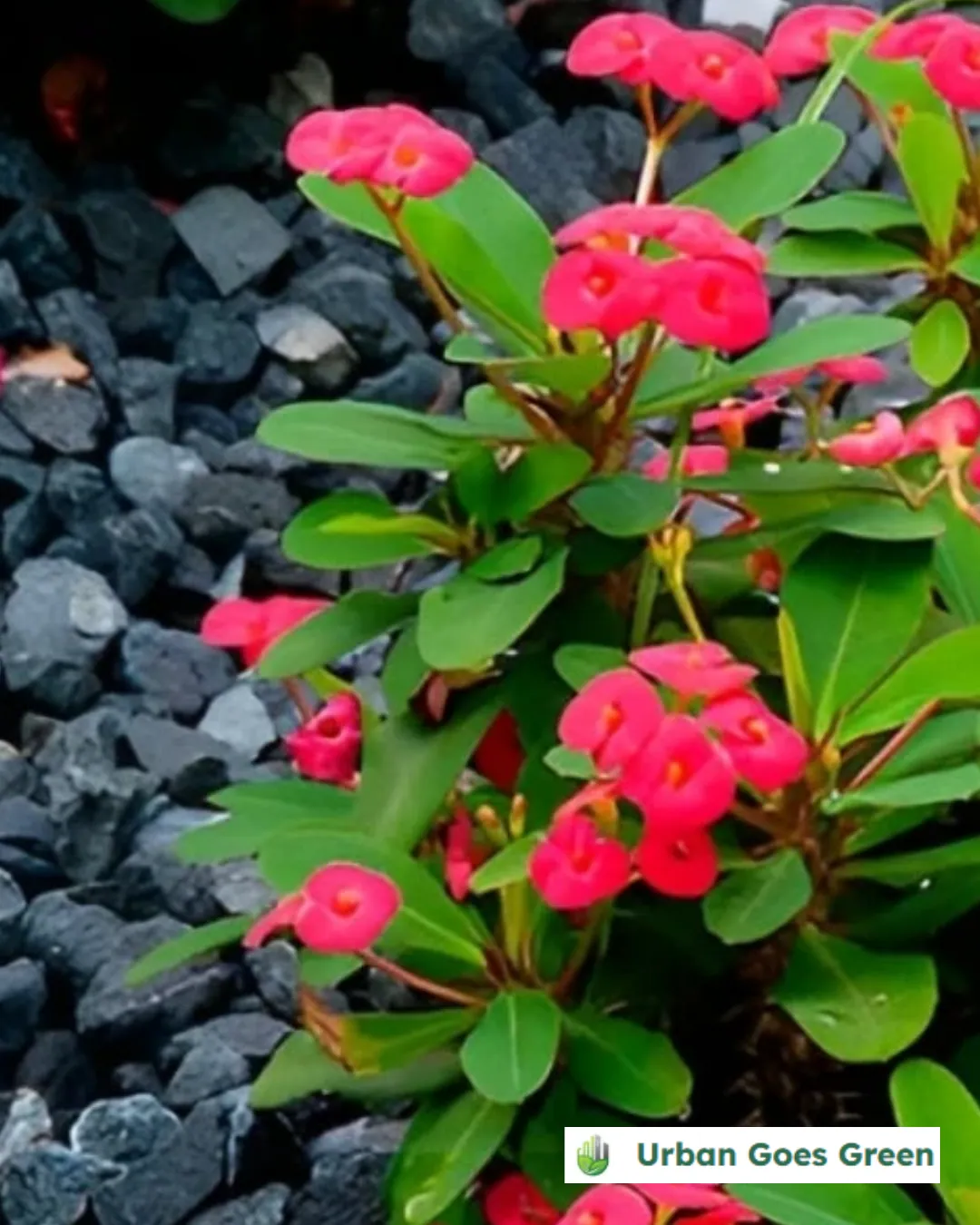
A tough succulent with thorny stems and small, colourful flower bracts. Blooms non-stop in full sun. Tolerates neglect and poor soil. Popular in Philippine rock gardens and border plantings.
See our crown of thorns plant guide.
17. Mussaenda
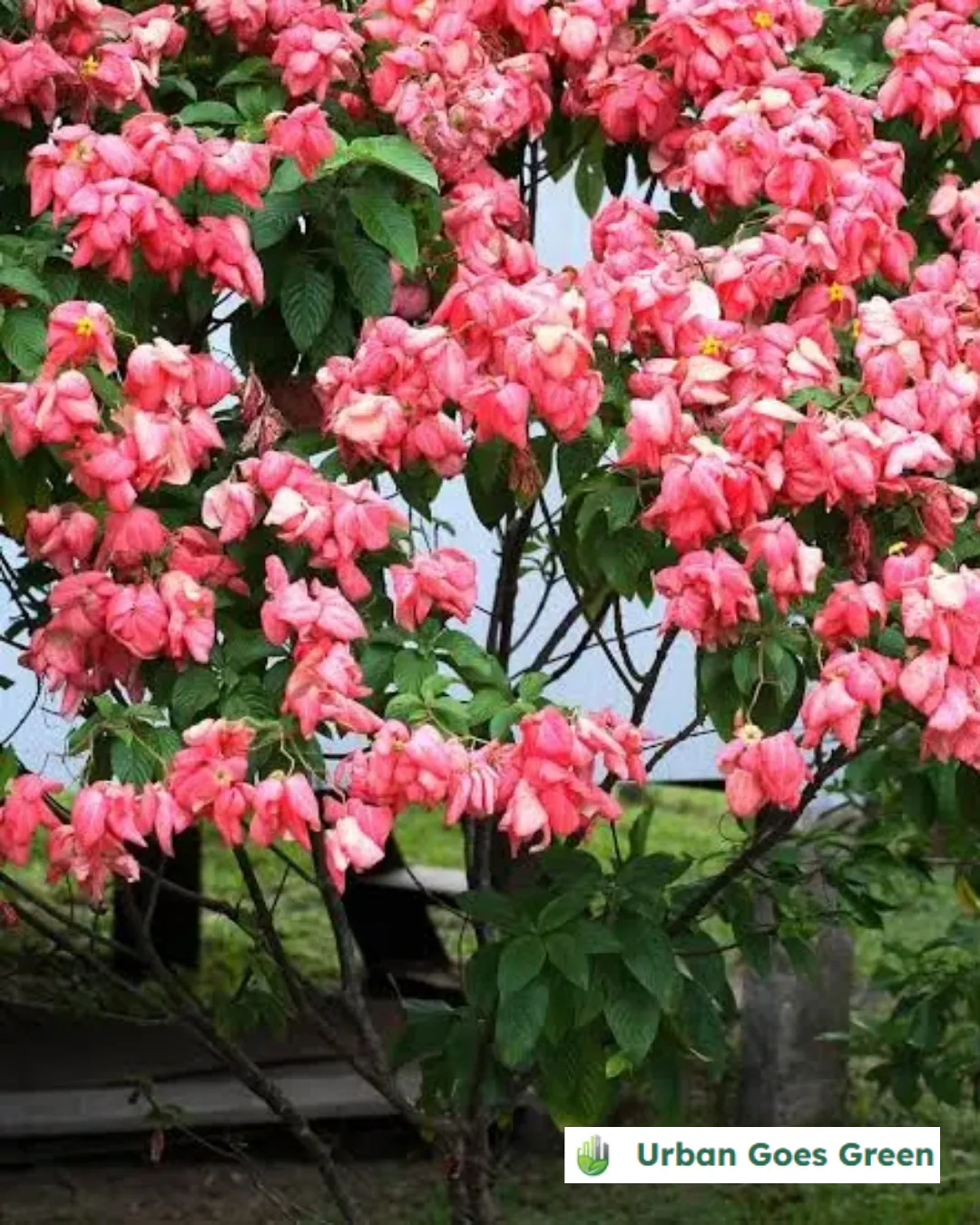
Mussaenda produces showy flower clusters with large, colourful sepals in pink, white, and red. This shrub grows well in Philippine gardens with minimal care and blooms during the rainy season.
Celosia is another easy bloomer, with feathery or crested flower heads in red, orange, yellow and pink. It grows fast from seed and keeps flowering for months in full sun.
See our mussaenda plant guide.
18. Gardenia (Rosal na Puti)
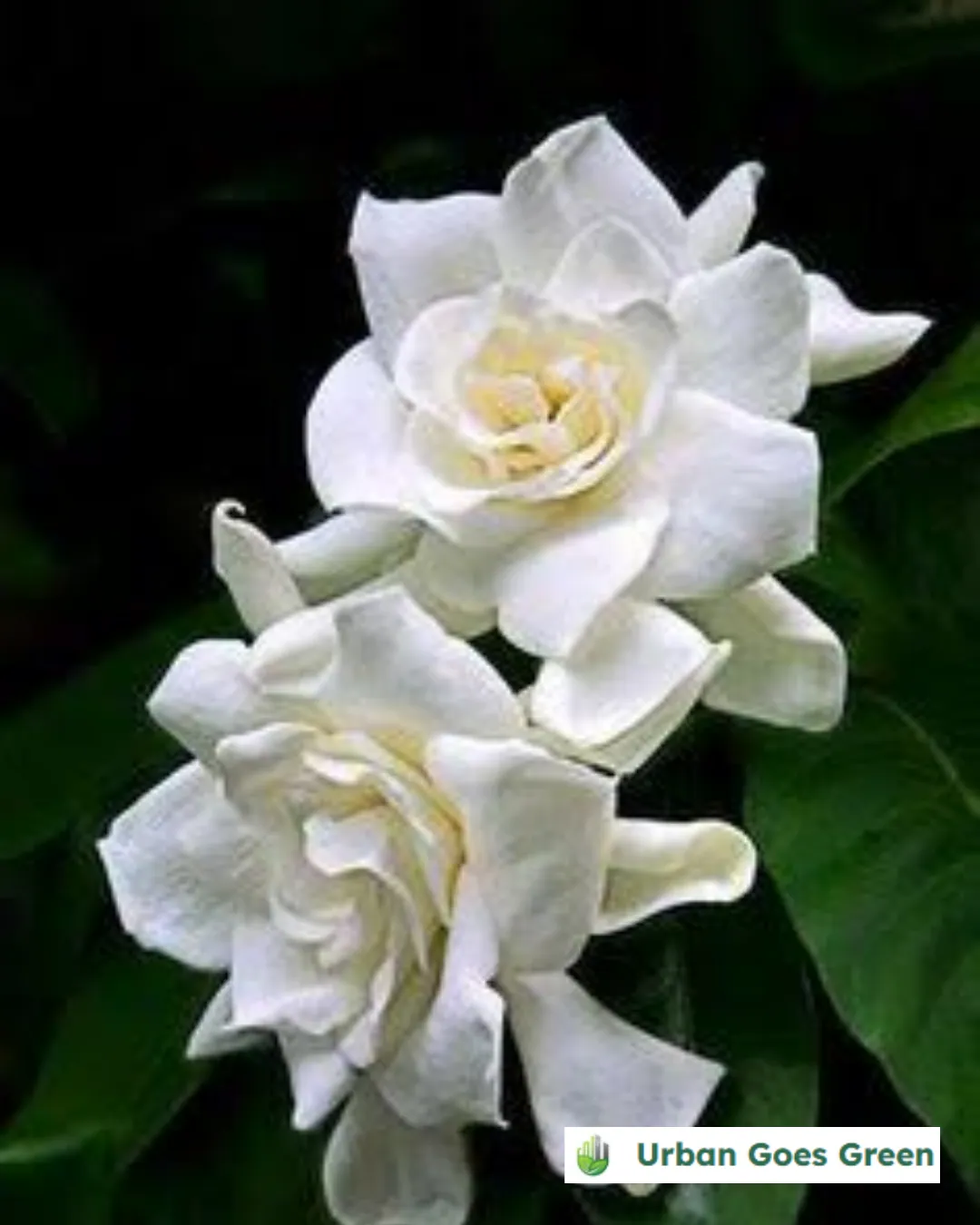
Gardenias produce pure white, heavily scented flowers. They need acidic soil and consistent moisture. Place in partial shade and feed with fertiliser formulated for acid-loving plants.
See our gardenia plant guide.
19. Bird of Paradise (Strelitzia reginae)
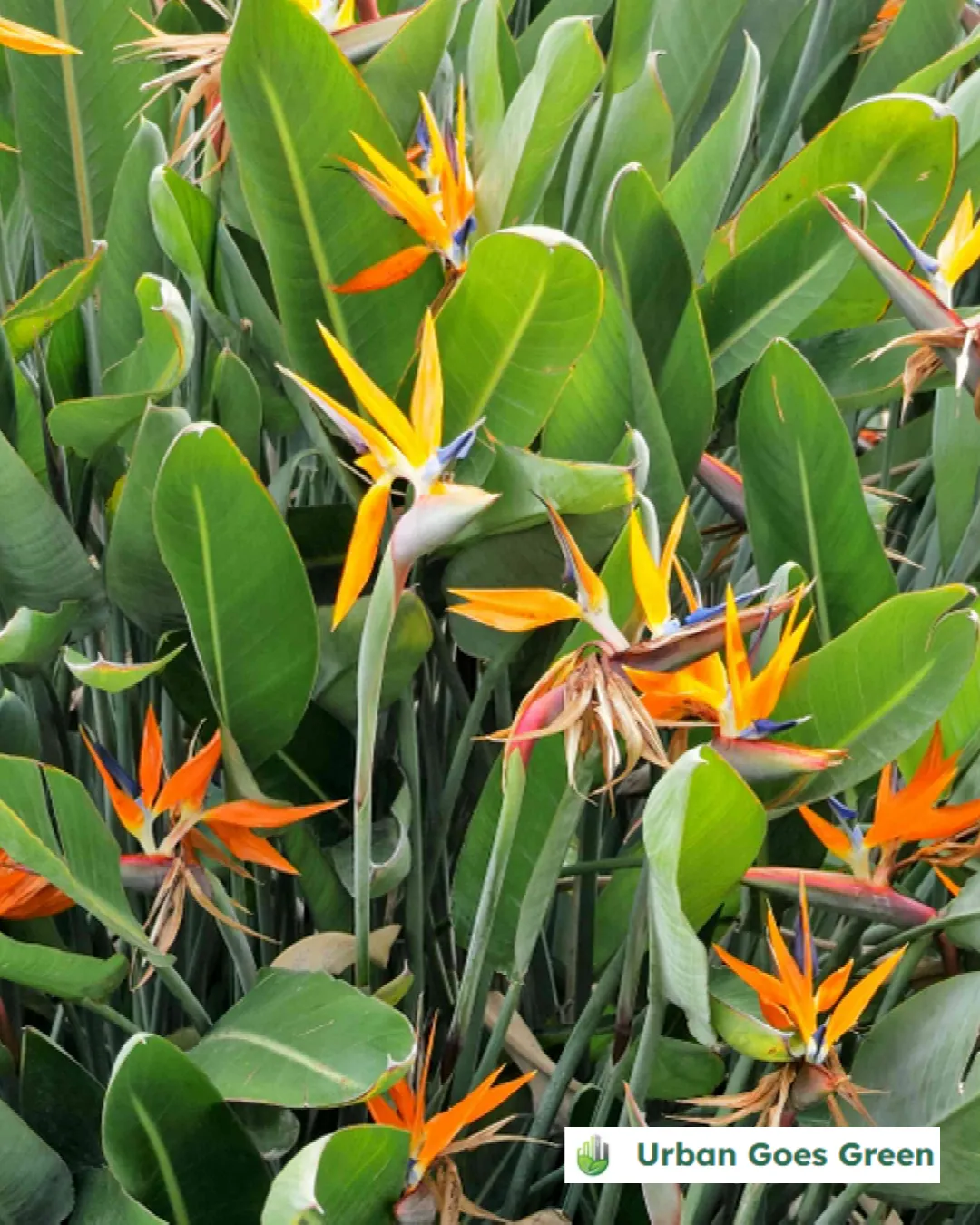
This dramatic plant produces orange and blue flowers that look like tropical birds. It needs full sun and rich soil. Slow to establish but stunning once mature. Popular in landscape design across Philippine resorts.
See our bird of paradise plant guide.
20. Heliconia (Lobster Claw)
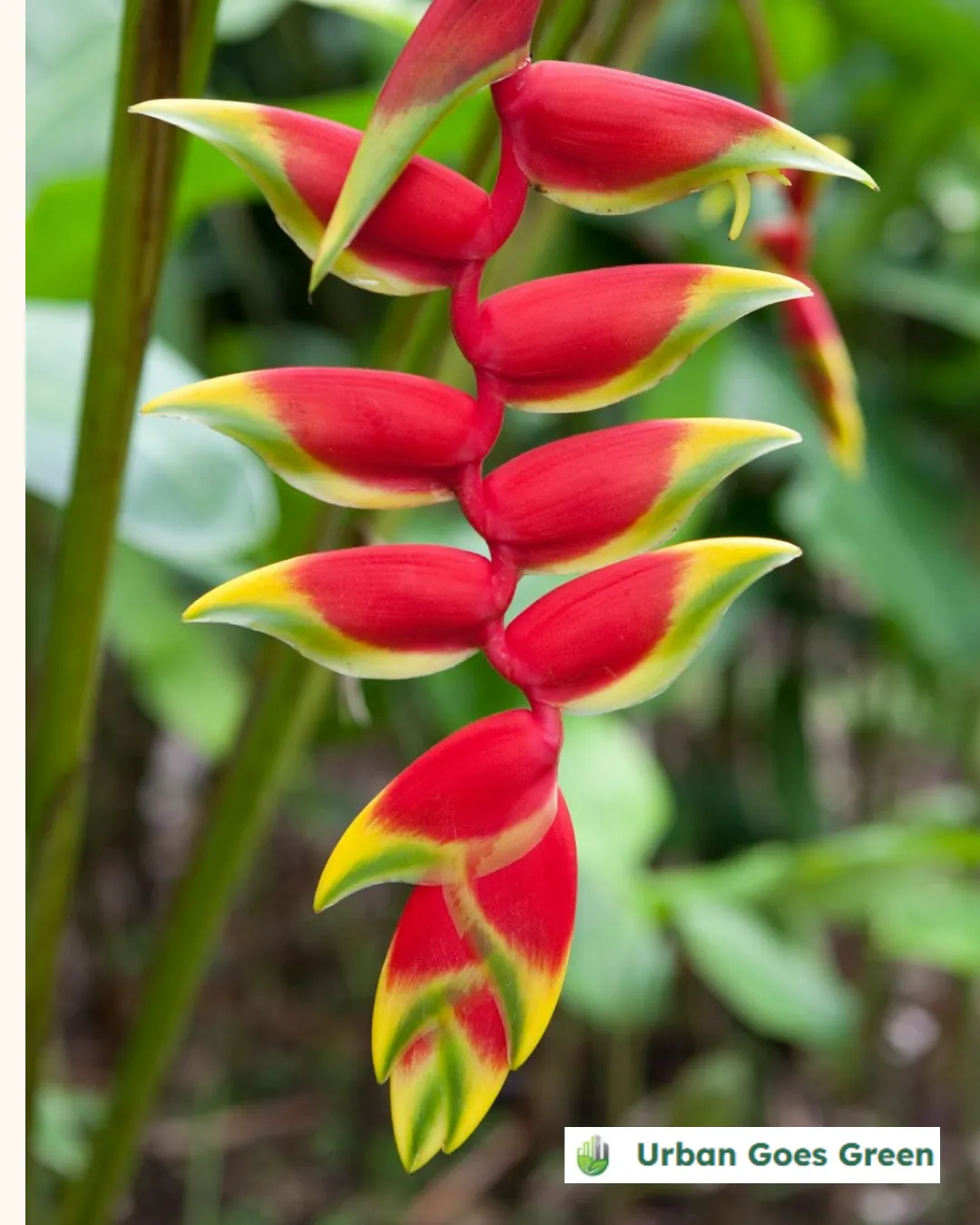
Heliconias produce large, striking bracts in red, orange, and yellow. They love the warm, wet Philippine climate and grow well in garden beds with rich, moist soil. Excellent for tropical garden landscapes and cut flower arrangements.
See our heliconia plant guide.
General Care Tips for Flowering Plants
Boosting Blooms
- Sunlight: Most flowering plants need at least 4 to 6 hours of direct sun daily.
- Fertiliser: Use bloom-boosting fertiliser high in phosphorus (middle number) every 2 weeks.
- Deadheading: Remove spent flowers to redirect energy into new blooms.
- Pruning: Cut back leggy growth after each flowering cycle to promote bushier growth.
Soil for Flowering Plants
Most flowering plants prefer well-draining loam soil enriched with compost. Add bone meal for extra phosphorus, which directly supports flower production. Avoid heavy clay soil that holds too much water around the roots.
Pest Management
Common pests on flowering plants in the Philippines include aphids, mealybugs, whiteflies, and thrips. Spray with neem oil solution every 7 days as a preventive measure. Remove heavily infested leaves and isolate affected plants.
Frequently Asked Questions
What is the national flower of the Philippines?
Sampaguita (Jasminum sambac) is the national flower of the Philippines. It produces small, white, highly fragrant flowers and holds deep cultural significance. Filipinos use sampaguita for garlands, religious offerings, and traditional lei.
What flowering plants bloom all year in the Philippines?
Bougainvillea, gumamela (hibiscus), santan (ixora), periwinkle, and lantana bloom all year round in the Philippine climate. These plants love full sun, warm temperatures, and tolerate both dry and wet seasons with minimal care.
Which flowering plants grow best in pots Philippines?
Anthurium, peace lily, orchids, desert rose, rosal, and bougainvillea grow well in pots. Use well-draining potting mix and choose pots with drainage holes. Feed with bloom-boosting fertiliser every 2 weeks during the growing season.
How do I make flowering plants bloom more in tropical weather?
Give flowering plants at least 4 to 6 hours of direct sunlight daily. Use fertiliser high in phosphorus (the middle number, like 10-30-10). Prune spent flowers regularly to encourage new blooms. Avoid overwatering, as stressed roots reduce flowering.