A Kangkong Story from Quezon City
Mika is a third-year environmental science student renting a small room near a university in Quezon City. Her balcony is roughly two feet by two feet - barely enough to stand on with both arms out. But every Sunday, she harvests a bundle of kangkong thick enough to cook a pot of tinola that feeds her and her roommate for two meals.
Her planters? Recycled powdered milk cans and a couple of old ice cream tubs, each filled with garden soil she bought for less than a hundred pesos. Her seed stock came from a single trip to a palengke stall in Cubao. Total investment: under ₱250. Weekly return: fresh vegetables she would otherwise spend ₱40–60 buying - and the quiet satisfaction of eating something she grew with her own hands.
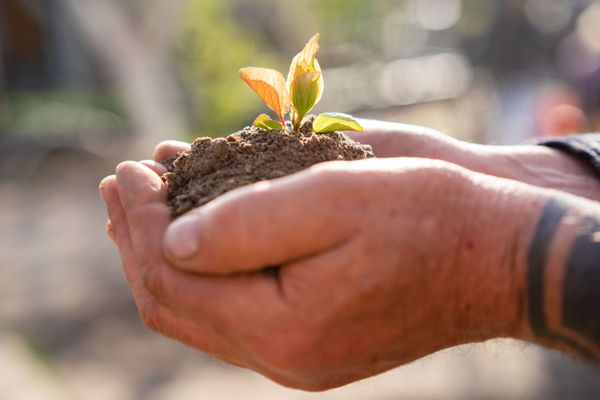
Photo: Pexels
This is urban gardening. And in the Philippines, it is not just a trend on social media or a pandemic hobby that faded. It is becoming a genuine movement - backed by national legislation, supported by government training programs, validated by agricultural science, and practiced by communities from Tondo to Davao.
Whether you are a college student with a cramped dorm balcony, a young professional curious about growing your own herbs, or a teacher looking for a classroom project that actually matters, this guide is written for you. We will cover what urban gardening is, how it arrived in the Philippines, what types exist (with honest budget estimates), which laws protect and support it, what the science says about its benefits, and exactly how to start - even if you have never touched soil in your life.
Handa ka na ba? Let's grow something.
What Is Urban Gardening?
At its simplest, urban gardening is the practice of growing food, herbs, or ornamental plants in a city or town setting - on balconies, rooftops, vacant lots, windowsills, or any available space within an urban environment. It sounds modern, but the idea is older than most people think. Some people lay artificial grass on a concrete rooftop for the seating area, then grow the plants in containers around it.
Where the Term Came From
The concept of urban agriculture entered mainstream development language through the United Nations Development Programme (UNDP) in the early 1990s. The landmark publication that put it on the global map was Dr. Jac Smit's 1996 book Urban Agriculture: Food, Jobs and Sustainable Cities, which argued that city farming was not a marginal survival strategy but a legitimate component of urban food systems worldwide.
The Philippine government's DA ATI-CAR defines it plainly: the growing, processing, and distribution of food crops and animal products, by and for the local community, within an urban environment (ATI-CAR Urban Agriculture Module). No massive farm required. No tractor. Just intention, a container, and a patch of sunlight.
How It Evolved in the Philippines
Filipinos have been growing food in tight spaces for generations. During World War II, "victory gardens" sprang up across Manila. Your lola probably kept a row of sili, a tanglad clump, and a few pots of oregano near the kitchen door - tanim sa paso long before anyone called it "container gardening."
Since the 1970s, programs like the DA's Gulayan sa Paaralan and the pandemic-era Plant, Plant, Plant initiative have brought structured support to urban growers. Today, legislation is catching up with practice, and cities like Quezon City and Marikina actively encourage residents to grow food at home.
Types of Urban Gardening
The method you choose depends on your space, your budget, and what you want to grow. Here are 11 types - from the easiest entry point to the most advanced - with honest cost and space estimates.
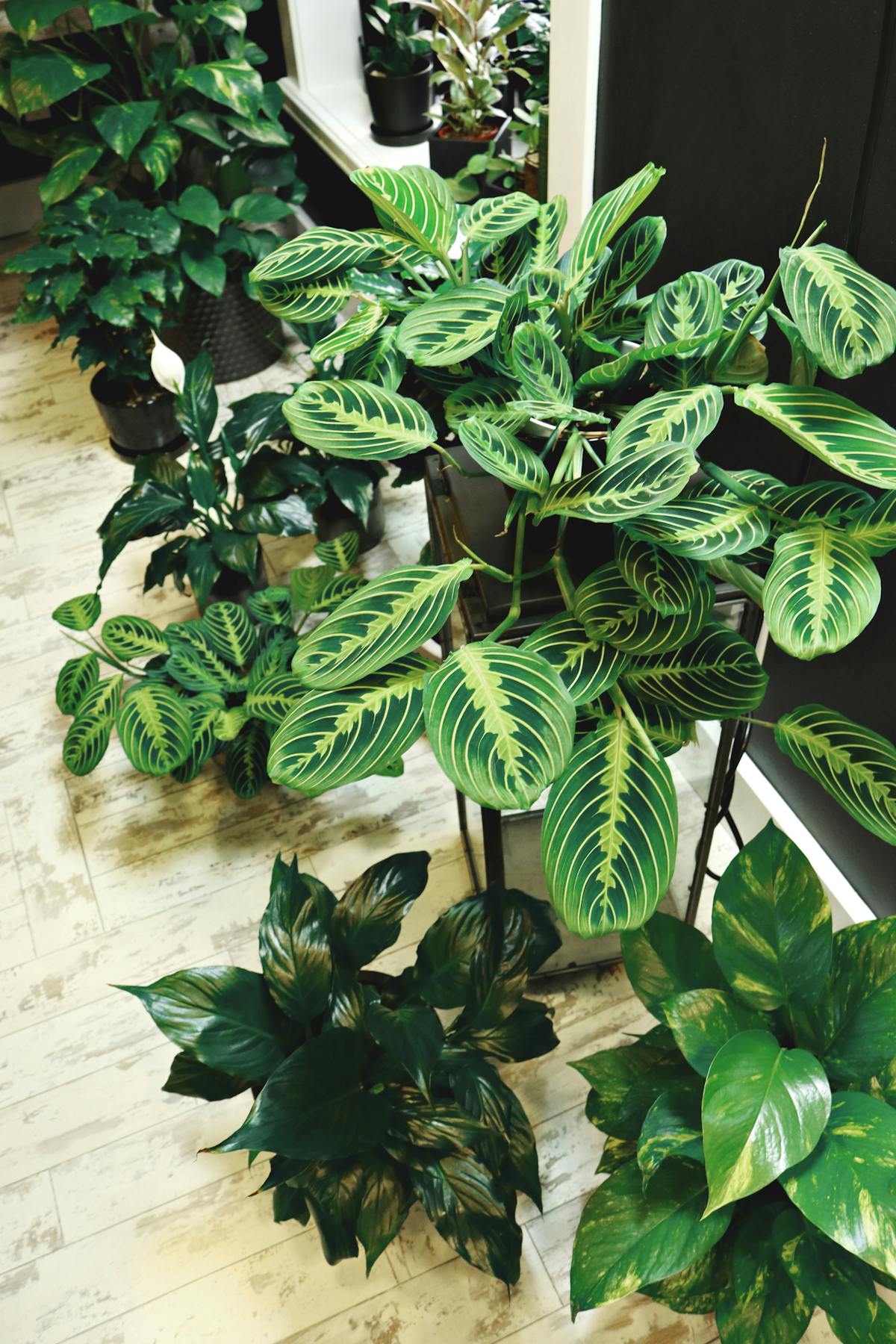
Photo: Pexels
Traditional and Common Types
Innovative and Advanced Methods
🌱 Did You Know? A single household balcony in Metro Manila can produce 2–3 kg of leafy vegetables per month - enough to supplement weekly meals and reduce grocery spending by ₱300–₱600.
Philippine Laws and Government Support
Urban gardening in the Philippines is not just tolerated - it is actively supported by legislation and government programs.
What This Means for You
If you are a student or young professional, these laws translate into tangible support:
- Free training through DA-ATI regional centers
- LGU programs that may provide seeds, seedlings, or gardening materials
- Composting mandates that create demand for vermicompost and organic fertilizer
- School garden programs you can tap into or propose at your university
- Potential funding and grants as HB 3171 and similar bills progress
💡 Pro Tip: Visit your city or municipal agriculture office. Many LGUs in Metro Manila - including Quezon City, Marikina, and Pasig - run gardening programs that give away free seedlings and offer workshops.
Benefits of Urban Gardening
Every benefit here is supported by research, government data, or documented practice in the Philippines and globally.
Photo: Pexels
Environmental Benefits
Waste reduction. The Philippines generates approximately 14.6 million metric tons of municipal solid waste per year (World Bank). The NSWMC reports roughly 52% is biodegradable. Every household that composts kitchen waste is directly reducing the national waste burden.
Urban heat island reduction. A 2025 Quezon City study shows areas with greater vegetation are measurably cooler - green spaces can lower surrounding air temperatures by up to 5°C compared to bare concrete.
Carbon sequestration. A 2025 Manila study found that increasing canopy cover directly enhances carbon absorption. Thousands of urban gardens across Metro Manila's 16 cities create cumulative impact.
Biodiversity. Urban gardens attract pollinators - bees, butterflies, and beneficial insects - that would otherwise have no habitat in concrete-dominated cities.
Health and Nutrition Benefits
Better vegetable access. DOST-FNRI data shows Filipino adults consume less than 71 grams of vegetables per day - roughly one serving, far below recommended intake. Growing your own removes cost as a barrier.
Mental health. A 2023 University of Colorado trial found first-time gardeners experienced significant reductions in stress and anxiety. A 2024 University of Florida study confirmed: gardening participants reported less anxiety and depression vs. control groups.
Physical activity. Gardening involves bending, lifting, carrying, and walking - productive exercise for students who spend hours sitting in lectures.
🌱 Did You Know? A 2024 meta-analysis in Systematic Reviews (Springer Nature) confirmed that gardening consistently improves well-being, mental health, and quality of life across age groups and countries.
Economic Benefits
Grocery savings. A container garden with 5–8 varieties can reduce weekly vegetable spending by ₱125–500 - that is ₱500–2,000/month.
Income potential. A small vermicomposting setup producing 5–10 kg of vermi-castings/month can earn ₱500–1,000 with minimal effort.
Social Benefits
Community building. Shared gardens create spaces where neighbors interact and build trust. Food security: even modest community gardens contribute during supply disruptions. Education: the DA's Gulayan sa Paaralan program has established gardens in thousands of public schools.
Fighting Pollution and Garbage Through Gardening
The Philippines generates over 14.6 million metric tons of municipal solid waste per year. More than half is organic - material that could become compost instead of methane in a landfill. Urban gardening directly disrupts this cycle.
Vermicomposting: Step-by-Step
By introducing African night crawlers to shredded cardboard and food scraps, you produce vermicast - concentrated organic fertilizer.
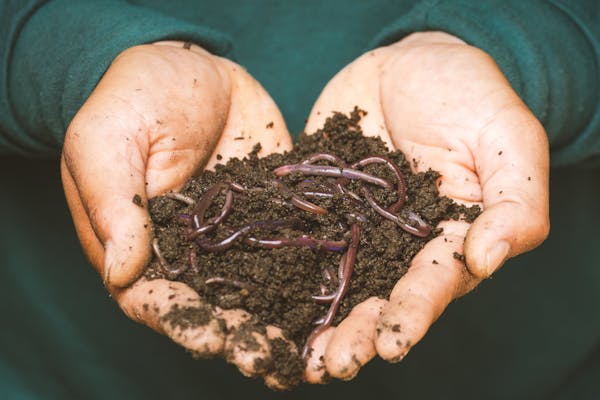
Photo: Pexels
Plastic to Planter: Circular Economy
Every PET bottle that becomes a vertical planter is one less in a waterway. Every ice cream tub holding a kangkong seedling is one less in a landfill. Filipino urban gardeners have embraced upcycling as circular economy thinking in its most accessible form.
🔧 Try This Weekend: Collect 10 PET bottles. Cut each in half. Poke 3 drainage holes. Fill with soil, plant basil or kangkong, mount on a wire rack. Vertical herb garden - built from garbage - producing herbs within three weeks.
By-Products and Opportunities: The Hustle Section
Urban gardening does not just feed you - it can fund you. Six realistic income paths that Filipino urban gardeners are already pursuing.
💡 Pro Tip: Start with one "test batch" - sell 20 seedlings or produce your first kilo of vermicast before scaling. Proof of concept first, business plan later.
How to Start Your Own Urban Garden
You do not need a yard, experience, or a large budget. Here is a step-by-step path from zero to your first harvest.
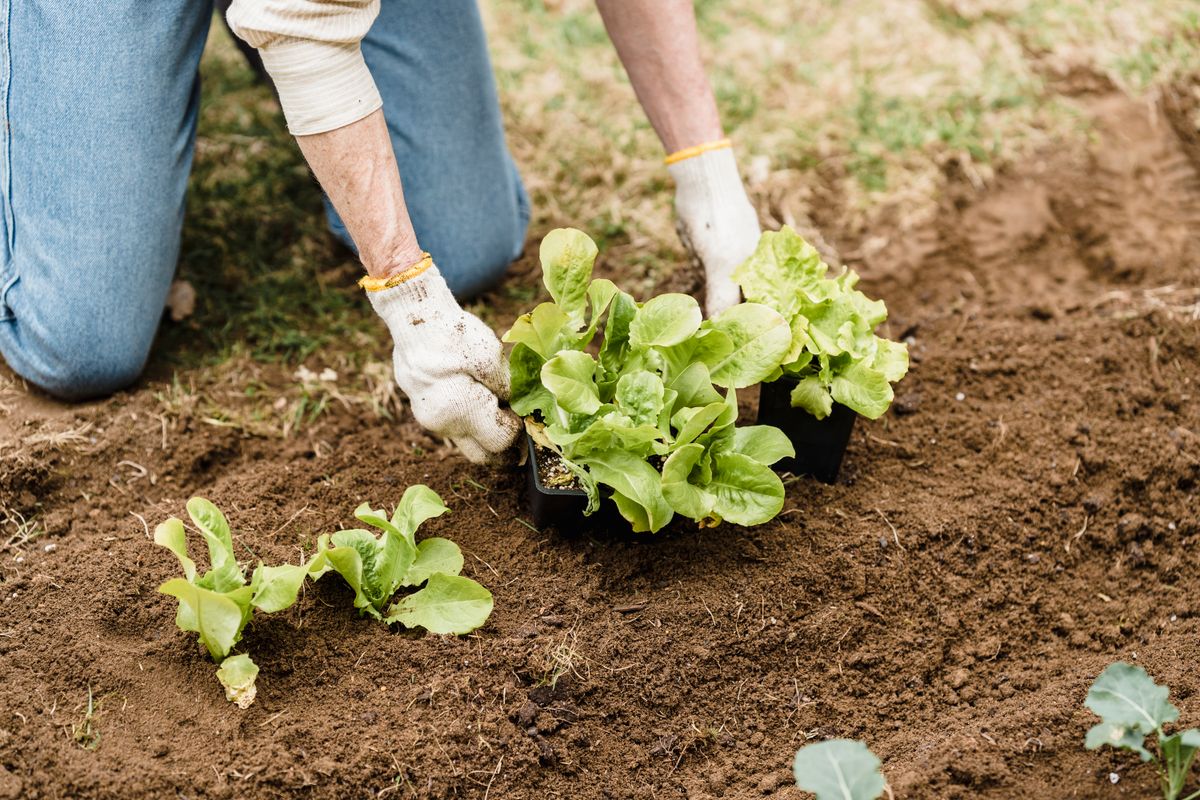
Photo: Pexels
- Kangkong - grows fast, tolerates heat
- Pechay - harvestable in 25–30 days
- Sili - productive, pest-resistant
- Sweet basil - aromatic, compact
- Cherry tomatoes - generous yield
- Herbs (oregano, mint, spring onion)
- Plant seeds 0.5–1 cm deep for leafy greens
- Water in the morning before the heat
- Fertilize lightly every 2 weeks
- Watch for aphids & whiteflies; neem oil handles most
Philippine Climate Tips
💡 Pro Tip: Start with just 3–5 containers. Master those before expanding. The most common beginner mistake is planting too many varieties at once.
Resources and Where to Get Help
- DA-ATI - free urban ag module
- DA Regional Offices - seed programs
- City Ag Offices - QC, Pasig, Marikina, Valenzuela
- FB Groups - "Urban Gardening PH", "Container Gardening PH"
- TikTok/YouTube - Filipino gardening creators
- UGG Plant Guide - 200+ species
Your Balcony Is Your First Farm
Remember Mika from the beginning of this guide? Her two-foot balcony in Quezon City now has eight containers - kangkong, pechay, sili, basil, and spring onion. She spends less on vegetables, worries less about food quality, and has a quiet ritual each morning that balances the noise of university life.
Your 2×2 balcony is not too small. It is your first farm.
You need one container, a handful of soil, a few seeds, and the decision to start. This week. The Philippine climate is generous. The laws support it. The science validates it. The community welcomes you.
Magtanim tayo.
Photo: Pexels
Support Our Shop
Find loam soil, garden soil, grass, seeds, and more - delivered to your doorstep anywhere in Metro Manila.
Visit Shop →Frequently Asked Questions
What is the best plant to grow for beginners in the Philippines?
Kangkong (Ipomoea aquatica) is widely considered the best starting plant. It grows quickly (harvestable in 30–45 days), tolerates sun and shade, thrives in containers, and produces multiple harvests. Pechay and sweet basil are close seconds.
How much does it cost to start urban gardening in the Philippines?
Under ₱500 for a basic container setup: recycled containers, a bag of garden soil (₱40–100), and seed packets (₱20–50 each). Raised beds or hydroponic systems cost ₱1,000–10,000.
Can I do urban gardening in a condo or apartment?
Yes. Container and vertical gardening are designed for small spaces. A balcony, windowsill, or shelf near a sunny window is enough for herbs and leafy greens. Check building regulations for balcony modifications.
Is there a Philippine law supporting urban gardening?
Yes. RA 10068 and RA 11511 provide the organic agriculture framework. HB 3171 (Urban Farming Act) specifically mandates LGU support for community gardens and free training.
How often should I water my container garden in the Philippines?
Dry season (Dec–May): once or twice daily, mornings best. Wet season (Jun–Nov): reduce frequency, ensure drainage holes. Finger-test: water only if soil is dry one inch deep.
What vegetables grow fastest in the Philippines?
Kangkong (30–45 days), pechay (25–30 days), lettuce (30–40 days), and mustasa (30–35 days). Full timelines in the UGG plant guide.
Can urban gardening actually save me money?
Yes. A container garden with 5–8 varieties can save ₱125–500/week (₱500–2,000/month). Initial investment under ₱500 is typically recovered within the first month of harvests.
Sources
- ATI-CAR. Urban Agriculture for Lowland. DA-ATI. PDF
- Republic Act 10068. Organic Agriculture Act of 2010.
- Republic Act 11511. Amended Organic Agriculture Act of 2020.
- House Bill 3171. Urban Farming Act. 20th Congress. PDF
- Republic Act 8435. Agriculture and Fisheries Modernization Act of 1997.
- Republic Act 9003. Ecological Solid Waste Management Act of 2000.
- NSWMC. Waste composition data via EMB-NSWMC.
- World Bank. What a Waste Global Database - Philippines.
- DOST-FNRI. National Nutrition Survey 2023.
- Smith et al. Diets, Fruit and Vegetable Intake - Philippines. Maternal & Child Nutrition.
- Litt, J. et al. Community Gardening and Health Outcomes. Univ. of Colorado, 2023.
- Univ. of Florida. Gardening and Mental Health Study, 2024.
- Systematic Reviews (Springer). Gardening impact on well-being - meta-analysis. 2024.
- QC Urban Heat Island Study, 2025. Manila Green Space Study, 2025.
- Smit, J. Urban Agriculture: Food, Jobs and Sustainable Cities. UNDP, 1996.
All photos from Pexels - free to use, no attribution required.