Everything You Need to Know About Squash Flower (Bulaklak ng Kalabasa) — Growing, Harvesting & Cooking
Your complete Filipino gardener’s guide to growing squash for its delicious edible flowers.
What Can You Eat?
The golden flowers of the kalabasa vine are a delicacy.
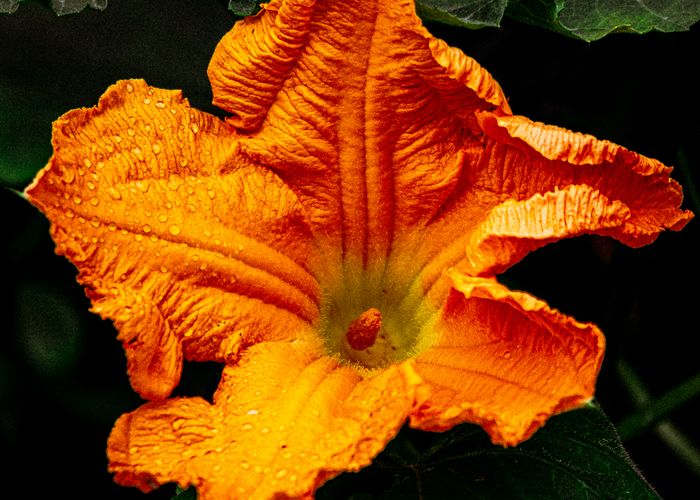
Squash flowers are made into tempura (battered and deep-fried), ginisang bulaklak ng kalabasa (sauteed with garlic and shrimp paste), and added to soups. They have a delicate, mildly sweet flavour.
Kalabasa is one of the most commonly grown vegetables in Filipino backyard gardens. While the fruit is the primary harvest, resourceful Filipino cooks have long used the flowers and young shoots as a bonus vegetable. Squash flower tempura is a highlight at local food festivals and farm-to-table events.
Germination Guide
From seed to vine — easy and fast.
Planting Instructions
Soil, spacing, and best months for kalabasa.
Propagation Methods
Easy seed propagation from market squash.
Care Guide
Keep your squash vine productive and flowering.
Full sun (6-8 hours daily)
Deep watering every 2-3 days; water at the base, avoid wetting foliage
Heavy feeder — apply compost at planting, then side-dress with vermicast or balanced fertiliser every 2-3 weeks
25-35°C (thrives in tropical heat)
60-80% — tolerates Philippine humidity well
Mulch with rice straw or dried leaves to retain moisture and suppress weeds around the vine base.
Harvest Guide
When and how to pick squash flowers.
Flowers are bright golden-orange and fully open in the morning. Male flowers have a long, thin stem with no swelling at the base — harvest these primarily.
Pick male flowers in the early morning when just opened. Cut with 3-5 cm of stem attached. Leave at least 1 male flower per 4-5 female flowers for pollination. Use immediately — flowers wilt within hours.
Common Problems & Solutions
Spot issues early and fix them fast.
Powdery mildew on leaves
Cause: Fungal infection from humid conditions and poor airflow
Solution: Space plants well. Spray with baking soda solution or neem oil. Remove severely affected leaves.
Flowers dropping without fruiting
Cause: Poor pollination or excessive heat stress
Solution: Hand-pollinate by transferring pollen from male to female flowers using a small brush. Provide afternoon shade during extreme heat.
Vine borers
Cause: Larvae bore into vine stems causing wilting
Solution: Wrap lower stem with aluminium foil. If infested, slit the stem, remove the larva, and mound soil over the wound.
Yellowing leaves
Cause: Nutrient deficiency (nitrogen) or overwatering
Solution: Side-dress with compost or fish emulsion. Ensure soil drains well.
Perfect Plant Partners
Plants that grow well alongside squash.