Everything You Need to Know About Chia — Care, Propagation & More
Your complete Filipino gardener’s guide to growing, caring for, and harvesting Chia Seeds — from seed to superfood.
What Can You Eat?
Discover the edible parts and how Filipinos enjoy this plant in everyday cooking.
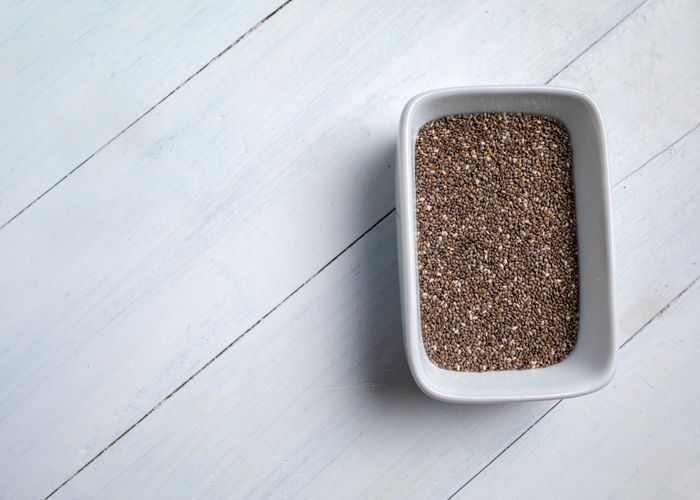
Chia seeds are soaked in water or coconut milk for pudding, blended into smoothie bowls with mango and banana, mixed into baked goods like ensaymada and banana bread, or sprinkled over salads and oatmeal as a health booster.
Chia has become a popular superfood in the Philippines, embraced by the health and wellness community. Growing your own chia seeds is a rewarding way to ensure freshness and reduce reliance on expensive imported packets from health food stores.
Germination Guide
From seed to sprout — here’s what to expect and how to get started.
Planting Instructions
Everything you need to prepare — soil, spacing, depth, and the best Philippine planting months.
Propagation Methods
Learn the best ways to multiply your plants — from seeds to cuttings.
Care Guide
Keep your plant happy and thriving with the right light, water, and nutrients.
Full sun (6-8 hours)
Light; allow soil to dry between waterings. Overwatering causes root rot.
Light feeder; compost at planting is sufficient. Avoid high-nitrogen fertilizer.
20-30°C (sensitive to frost but not an issue in PH)
40-60% (prefers drier conditions)
Keep area weed-free; mulch lightly with rice hulls for drainage.
Harvest Guide
Know when and how to harvest for the best yield and flavor.
Flower spikes have dried and turned brown. Seeds rattle inside the dried calyxes when shaken. Most petals have fallen off.
Cut entire flower stalks and place upside down in a paper bag. Shake to release seeds. Sieve to remove chaff. Store in airtight glass jar.
Common Problems & Solutions
Spot issues early and fix them fast.
Plants flower too early without growing tall
Cause: Chia is a short-day plant; long nights trigger early flowering
Solution: Plant during October-December in the Philippines. Avoid supplemental lighting at night.
Root rot and wilting
Cause: Overwatering or poorly drained soil, especially during rainy season
Solution: Use raised beds or containers with excellent drainage. Water only when soil is dry to the touch.
Whitefly infestation on leaves
Cause: Whiteflies attracted to soft, aromatic foliage
Solution: Spray with neem oil solution every 5-7 days. Use yellow sticky traps near plants. Introduce ladybugs as natural predators.
Seeds molding before fully drying
Cause: High humidity during seed maturation phase
Solution: Harvest as soon as flower heads turn brown. Dry seeds indoors with a fan or in a dehydrator at low temperature.
Perfect Plant Partners
Plants that grow well together.