Everything You Need to Know About Chico (Sapodilla) — Care, Propagation & More
Your complete Filipino gardener’s guide to growing, caring for, and harvesting Chico — the brown-skinned tropical fruit with caramel-sweet flesh.
What Can You Eat?
Discover the edible parts and how Filipinos enjoy this plant.
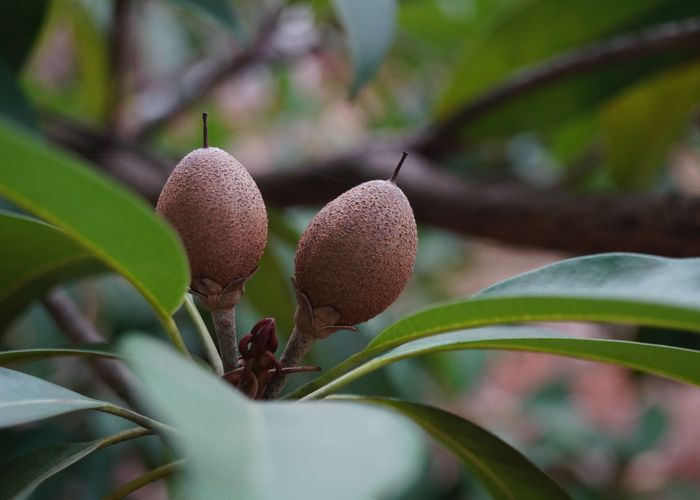
Chico is primarily eaten fresh by peeling the thin brown skin and biting into the sweet, grainy flesh. It is also blended into smoothies and milkshakes, or used in desserts. The flavor is often compared to brown sugar or caramel with hints of pear.
Chico is a common backyard fruit tree in Filipino provinces, especially in Laguna (known for chico de Majayjay), Cebu, and Davao. The tree produces latex called chicle, historically used for chewing gum. In the Philippines, chico is a seasonal fruit available from February to June and September to November, often sold by ambulant vendors.
Germination Guide
From seed to sprout — here’s what to expect.
Planting Instructions
Everything you need to prepare.
Propagation Methods
Learn the best ways to multiply your plants.
Care Guide
Keep your plant happy and thriving.
Full sun (6-8 hours daily); very sun-loving
Regular when young; very drought-tolerant once established. Can withstand dry spells well.
Apply complete fertilizer (14-14-14) twice a year. Organic compost annually. Minimal feeding required once established.
25-38°C (thrives in hot tropical conditions; no frost tolerance)
50-80% (tolerates lower humidity than most tropical fruits)
Very low maintenance. Mulch when young. Minimal pruning needed; remove dead branches only.
Harvest Guide
Know when and how to harvest.
Skin changes from rough and sandy brown to smoother texture. Fruit yields to gentle pressure. The calyx (pointed tip) becomes easy to flick off. No more white latex oozes when scratched.
Clip fruit from the branch with pruning shears. Allow to ripen at room temperature for 2-3 days until soft. The gritty texture near the skin disappears when fully ripe.
Common Problems & Solutions
Spot issues early and fix them fast.
Fruit bat damage
Cause: Bats eating ripe fruit at night
Solution: Bag individual fruits with net bags. Harvest slightly before full ripeness and ripen indoors.
Leaf spot
Cause: Fungal infection during wet season
Solution: Improve air circulation by pruning dense growth. Apply copper-based fungicide if severe.
Slow growth
Cause: Natural characteristic of chico; can be worsened by poor soil
Solution: Be patient. Enrich soil with compost. Chico is naturally slow-growing but very long-lived and productive once mature.
Latex staining
Cause: White latex from unripe fruit or stems
Solution: Harvest only mature fruit. Use gloves if handling stems. Latex stains can be removed with cooking oil.
Perfect Plant Partners
Plants that grow well together.