Everything You Need to Know About Kalamansi Leaf — Care, Propagation & More
Your complete Filipino gardener’s guide to growing, caring for, and harvesting Kalamansi Leaf (Dahon ng Kalamansi) — aromatic leaves for herbal tea and citrus fruit for sawsawan.
What Can You Eat?
Discover the edible parts and how Filipinos enjoy this plant in everyday cooking.
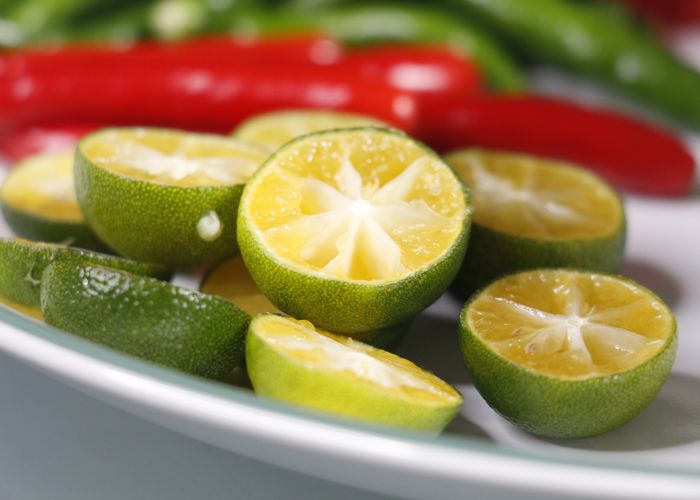
Kalamansi leaves are brewed as a fragrant herbal tea believed to aid digestion and relieve coughs. The fruit is squeezed into sawsawan (dipping sauces), drizzled over pancit and grilled fish, and used to make refreshing kalamansi juice.
Kalamansi is the quintessential Filipino citrus, found in nearly every backyard across the archipelago. The leaves are steeped in hot water for a soothing herbal drink, while the fruit is an everyday pantry staple used in cooking, beverages, and traditional remedies. It is deeply tied to Filipino culinary identity.
Germination Guide
From seed to sprout — here’s what to expect and how to get started.
Planting Instructions
Everything you need to prepare — soil, spacing, depth, and the best Philippine planting months.
Propagation Methods
Learn the best ways to multiply your plants — from seeds to cuttings.
Care Guide
Keep your plant happy and thriving with the right light, water, and nutrients.
Full sun (6-8 hours daily)
Every 2-3 days; keep soil moist but not waterlogged. Reduce during rainy season.
Apply 14-14-14 complete fertilizer quarterly. Supplement with vermicast or compost. Foliar spray with fish emulsion monthly.
25-35°C (thrives in tropical Philippine heat)
60-80% (naturally suited to Philippine climate)
Mulch around the base to retain moisture. Prune dead branches and water sprouts regularly to promote air circulation.
Harvest Guide
Know when and how to harvest for the best yield and flavor.
Leaves can be picked any time once the plant is well-established. For fruit, harvest when the skin turns yellowish-green to orange and yields slightly to pressure.
Snip leaves with clean scissors. For fruit, twist gently or clip the stem with pruning shears. Avoid pulling which may damage branches.
Common Problems & Solutions
Spot issues early and fix them fast.
Leaf curling and yellowing
Cause: Citrus leaf miner or aphid infestation
Solution: Spray with neem oil every 7 days. Remove heavily affected leaves. Encourage natural predators like ladybugs.
Fruit drop before maturity
Cause: Water stress, nutrient deficiency, or fruit fly damage
Solution: Maintain consistent watering. Apply balanced fertilizer. Use fruit fly traps if needed.
Sooty mold on leaves
Cause: Honeydew secreted by scale insects or mealybugs
Solution: Wipe leaves with soapy water. Treat the pest infestation with horticultural oil or neem spray.
Slow growth or no fruiting
Cause: Insufficient sunlight, poor soil, or seed-grown tree still immature
Solution: Ensure 6-8 hours of direct sun. Top-dress with compost and complete fertilizer. Consider grafting for faster fruiting.
Perfect Plant Partners
Plants that grow well together.