Everything You Need to Know About Malabar Chestnut — Care, Propagation & More
Your complete Filipino gardener’s guide to growing, caring for, and harvesting Pakira (Money Tree) — from seed to roasted snack.
What Can You Eat?
Discover the edible parts and how Filipinos enjoy this plant in everyday cooking.
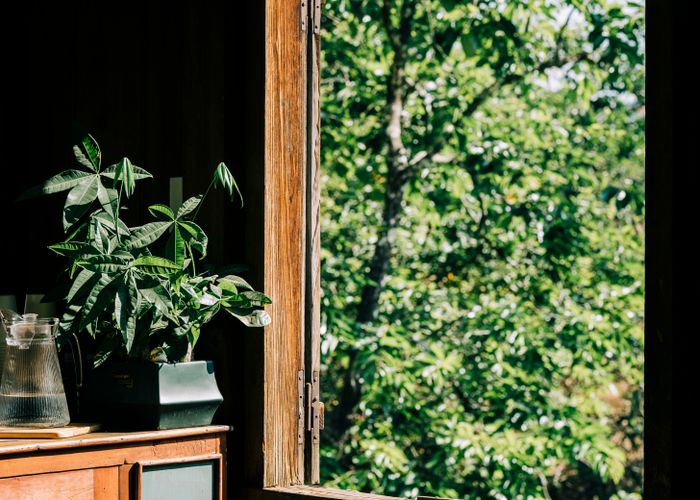
Malabar chestnut seeds are roasted and eaten like peanuts, with a flavor reminiscent of chestnuts. They can also be ground into flour for baking or boiled and seasoned as a snack. The young leaves and flowers are technically edible too, though less commonly consumed.
Most Filipinos know Pachira aquatica as the braided “Money Tree” sold in malls as a feng shui good-luck plant. Few realize it produces large edible seeds when grown outdoors to maturity. The tree thrives in Philippine conditions and can be both an ornamental showpiece and a source of nutritious nuts.
Germination Guide
From seed to sprout — here’s what to expect and how to get started.
Planting Instructions
Everything you need to prepare — soil, spacing, depth, and the best Philippine planting months.
Propagation Methods
Learn the best ways to multiply your plants — from seeds to cuttings.
Care Guide
Keep your plant happy and thriving with the right light, water, and nutrients.
Full sun to partial shade (tolerates indoor light as ornamental)
Moderate; allow top soil to dry between waterings. Avoid waterlogging.
Balanced slow-release fertilizer twice a year; compost ring for outdoor trees
22-35°C
60-80%
Repot indoor plants every 2 years; prune for shape as needed.
Harvest Guide
Know when and how to harvest for the best yield and flavor.
Large green pods (up to 30 cm) split open naturally when mature, revealing brown seeds inside. Harvest when pods begin to crack.
Collect pods as they split open or just before. Extract seeds, then roast, boil, or dry for storage. Fresh seeds taste best when roasted within a few days of harvest.
Common Problems & Solutions
Spot issues early and fix them fast.
Leaf yellowing and drop (indoor)
Cause: Overwatering, poor drainage, or insufficient light
Solution: Allow soil to dry between waterings; ensure drainage holes are clear. Move to a brighter spot.
Root rot
Cause: Waterlogged soil from excessive watering
Solution: Repot in well-draining mix with perlite; water less frequently. Cut away rotted roots.
No fruiting
Cause: Tree too young, grown indoors, or not enough sunlight
Solution: Plant outdoors in full sun for fruit production. Braided ornamental trees rarely fruit.
Mealybugs on stems
Cause: Indoor conditions with poor air circulation
Solution: Wipe with alcohol-soaked cotton; spray with neem oil weekly until cleared.
Perfect Plant Partners
Plants that grow well together.