
Everything You Need to Know About Moringa Seeds — Care, Propagation & More
Your complete Filipino gardener’s guide to growing Moringa from seed and using Buto ng Malunggay for food, water purification, and oil.
What Can You Eat?
Discover the edible parts and how Filipinos enjoy this plant in everyday cooking.
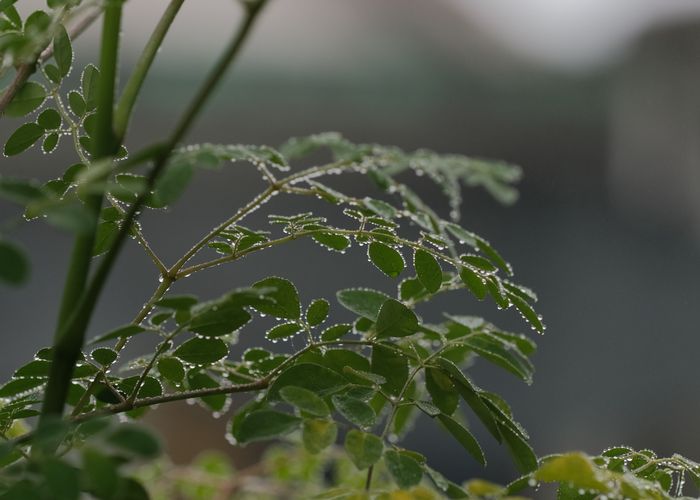
Moringa seeds are roasted as a nutritious snack, pressed for moringa oil (ben oil), and used to purify drinking water in rural areas. The leaves go into tinola, the pods (drumsticks) are added to sinigang, and the flowers are sauteed or made into tea.
Malunggay is called the "miracle tree" in the Philippines. Almost every Filipino backyard has one. The seeds are gaining global recognition for water purification. In Filipino folk medicine, moringa is used for lactation support, nutrition supplementation, and as an anti-inflammatory remedy.
Germination Guide
From seed to sprout — here’s what to expect and how to get started.
Planting Instructions
Everything you need to prepare — soil, spacing, depth, and the best Philippine planting months.
Propagation Methods
Learn the best ways to multiply your plants — from seeds to cuttings.
Care Guide
Keep your plant happy and thriving with the right light, water, and nutrients.
Full sun (8+ hours); does not tolerate shade
Minimal once established; water young trees weekly during dry season
Compost or aged manure applied around the base annually; moringa is not a heavy feeder
25-38°C (very heat tolerant)
40-80%
Prune to 1-1.5 m height annually to encourage branching and easy leaf harvest. Avoid waterlogged soil.
Harvest Guide
Know when and how to harvest for the best yield and flavor.
Seed pods turn brown and dry on the tree. Seeds inside rattle when the pod is shaken. For green pods (drumsticks), harvest when 30-45 cm long and still snap easily.
Cut mature brown pods with pruning shears. Crack open to extract seeds. Dry seeds in the shade for 2-3 days before storage. Store in airtight containers in a cool, dry place for up to 2 years.
Common Problems & Solutions
Spot issues early and fix them fast.
Tree grows tall but few pods
Cause: Lack of annual pruning; tree puts energy into height rather than flowering
Solution: Prune annually to 1-1.5 m to promote lateral branches and more flower clusters.
Root rot and trunk softening
Cause: Waterlogged soil; moringa roots are very susceptible to rot
Solution: Plant in well-drained soil on a slight mound. Never let water pool around the trunk.
Leaf-eating caterpillars
Cause: Hairy caterpillars (higad) or budworms feeding on young leaves
Solution: Hand-pick with gloves. Spray Bacillus thuringiensis (Bt) for organic control. Encourage birds as natural predators.
Yellowing leaves and leaf drop
Cause: Seasonal (normal in dry months) or nitrogen deficiency
Solution: Apply compost or aged manure around the base. Leaf drop in dry season is natural; new growth follows the rains.
Perfect Plant Partners
Plants that grow well together.
