Everything You Need to Know About Narra Young Shoots — Harvesting, Uses & More
Your complete Filipino gardener’s guide to the edible young leaves and flowers of the Philippine national tree.
What Can You Eat?
Discover the edible parts and how Filipinos use this heritage tree.
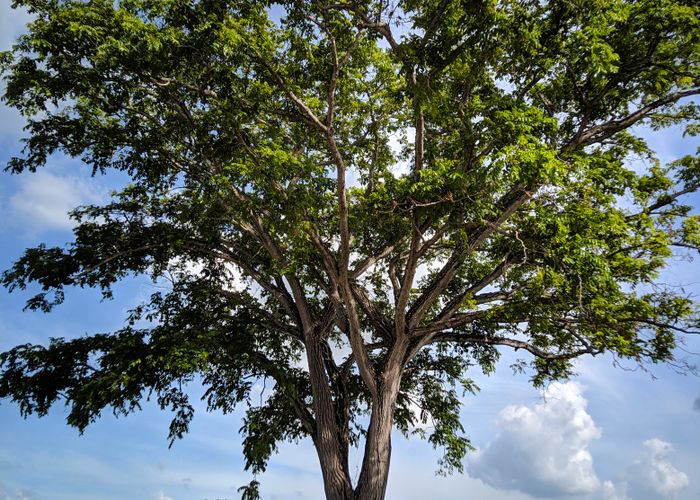
Tender young leaves are eaten fresh in salads or sauteed with garlic. The flowers can be added to salads. Also used in traditional herbal medicine as a tea for various ailments.
Narra is the Philippine national tree, declared by President Elpidio Quirino in 1934. Prized for its hardwood timber, it is also a nitrogen-fixing legume that enriches the soil. Found in parks, along roadsides, and in reforestation projects across the Philippines. Its young edible shoots are an underappreciated forage food.
Growing from Seed
How to start a Narra tree from seed if you want your own.
Planting Instructions
Where and how to plant a Narra tree for long-term harvest of edible shoots.
Propagation Methods
How to grow new Narra trees.
Care Guide
Narra is a hardy native tree requiring minimal care once established.
Full sun — Narra thrives in open, sunny locations
Water young trees weekly; established trees are drought-tolerant
Minimal — Narra fixes nitrogen. Add compost around base of young trees annually.
25-35°C (tropical lowland to mid-elevation)
Adapts to Philippine humidity levels naturally
Prune lower branches to shape. Regular pruning of shoot tips encourages new edible growth.
Harvest Guide
When and how to pick Narra shoots and flowers.
Young leaves are light green, tender, and slightly translucent. Flowers appear as small yellow clusters, typically during the dry season (March-May).
Pinch or snip the top 5-10 cm of tender new shoots from accessible branches. Never strip more than 20% of new growth at once to keep the tree healthy.
Common Problems & Solutions
Spot issues early and fix them fast.
Leaf-eating caterpillars
Cause: Various moth larvae feed on Narra foliage
Solution: Hand-pick caterpillars or spray with Bacillus thuringiensis (Bt). Healthy trees recover quickly.
Narra dieback disease
Cause: Fungal infection (Ceratocystis) spread by bark beetles
Solution: Remove and burn affected branches. Avoid wounding the bark. Report severe cases to DENR or local agriculture office.
Slow growth in young trees
Cause: Compacted soil or insufficient sunlight
Solution: Loosen soil around the root zone. Ensure full sun exposure. Add organic compost as mulch.
Perfect Plant Partners
Trees and plants that grow well alongside Narra.