Everything You Need to Know About Parsley — Care, Propagation & More
Your complete Filipino gardener’s guide to growing, caring for, and harvesting Perehil — from seed to plate.
What Can You Eat?
Discover the edible parts and how Filipinos enjoy this plant in everyday cooking.
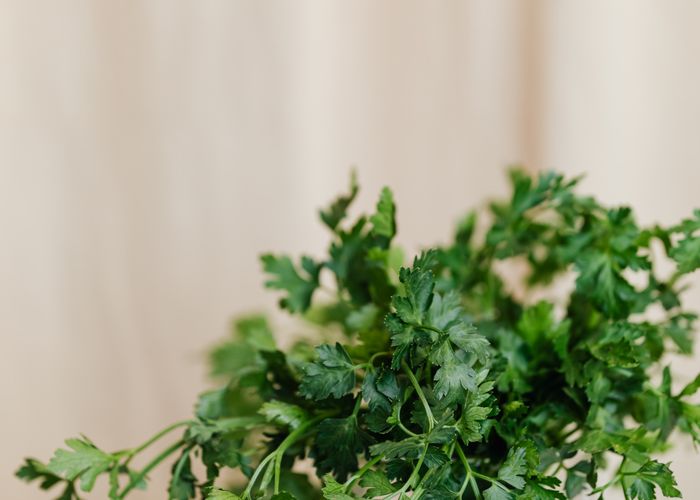
Parsley is a classic garnish for steak, grilled meats, soups, and omelettes in Filipino-Western cooking. Chopped fresh parsley is also mixed into tabbouleh salads, pasta dishes, and garlic butter for bread. Both flat-leaf and curly varieties are used in Manila restaurants and home kitchens.
Often confused with kintsay (leaf celery) at the wet market, perehil is gaining its own identity among Filipino gardeners. It is a must-have for those who enjoy Western-style cooking and is increasingly grown in balcony herb gardens across Metro Manila. Its flat-leaf variety is more popular for its stronger flavor.
Germination Guide
From seed to sprout — here’s what to expect and how to get started.
Planting Instructions
Everything you need to prepare — soil, spacing, depth, and the best Philippine planting months.
Propagation Methods
Learn the best ways to multiply your plants.
Care Guide
Keep your plant happy and thriving with the right light, water, and nutrients.
Full sun to partial shade (4-6 hours); afternoon shade in tropics is beneficial
Regular; keep soil evenly moist. Do not let soil dry out completely.
Compost at planting; side-dress with vermicast or fish emulsion every 3-4 weeks
15-28°C; bolts in extreme heat above 32°C
50-70%; ensure good airflow to prevent fungal issues
Mulch lightly to retain moisture and keep roots cool; avoid disturbing taproot.
Harvest Guide
Know when and how to harvest for the best yield and flavor.
Stems have at least 3 segments of leaves. Leaves are full-sized, deep green, and fragrant. Plant should be at least 15-20 cm tall.
Cut outer stems at the base, leaving inner stems to continue growing. Harvest regularly to encourage new growth. One plant provides months of garnish with proper care.
Common Problems & Solutions
Spot issues early and fix them fast.
Very slow germination
Cause: Parsley seeds have a natural germination inhibitor in their seed coat
Solution: Soak seeds in warm water for 24 hours. Some gardeners pour boiling water over seeds before sowing. Be patient; 2-4 weeks is normal.
Bolting in summer
Cause: Heat stress above 30°C triggers second-year flowering response
Solution: Grow during cool season (Oct-Mar). Provide afternoon shade. Mulch to keep roots cool.
Leaf spot disease
Cause: Fungal infection from wet foliage and crowded planting
Solution: Water at soil level. Improve air circulation. Remove affected leaves promptly.
Parsleyworm (swallowtail caterpillar)
Cause: Black swallowtail butterfly larvae feed on parsley family plants
Solution: Hand-pick or relocate caterpillars. Plant extra to share with beneficial butterflies.
Perfect Plant Partners
Plants that grow well together.