Everything You Need to Know About Saba Banana — Care, Propagation & More
Your complete Filipino gardener’s guide to growing, caring for, and harvesting Saging na Saba — from sucker to turon.
What Can You Eat?
Discover the edible parts and how Filipinos enjoy this plant in everyday cooking.
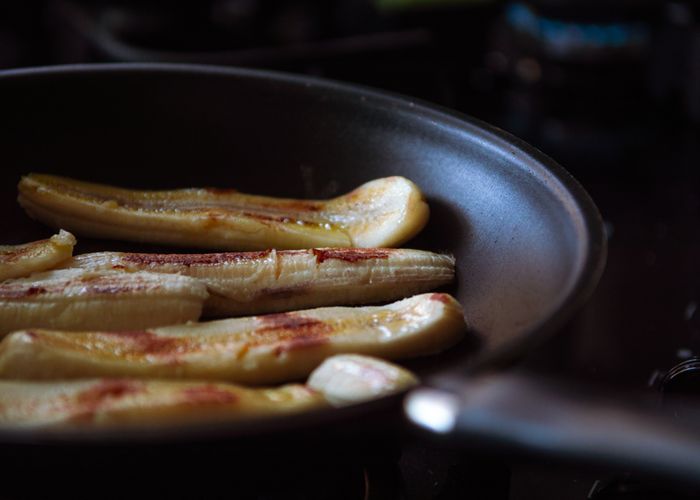
Saba banana is the most versatile cooking banana in Filipino cuisine. It is the star of turon (fried banana spring rolls), banana cue (caramelized fried banana), minatamis na saging (sweetened banana dessert), nilaga, and ginanggang (grilled banana on a stick). Also boiled and eaten plain as a merienda staple.
Saba is deeply woven into Filipino food culture. It is the banana of choice for street food vendors making banana cue and turon. Almost every Filipino backyard in the provinces has at least one saba plant. It is also a reliable income crop for smallhold farmers.
Germination Guide
From sucker to established plant — here’s what to expect.
Planting Instructions
Everything you need to prepare — soil, spacing, depth, and the best Philippine planting months.
Propagation Methods
Learn the best ways to multiply your plants.
Care Guide
Keep your plant happy and thriving with the right light, water, and nutrients.
Full sun (6-8 hours)
Regular deep watering; keep soil consistently moist, especially during fruiting
Apply complete fertilizer (14-14-14) every 2-3 months; add potassium-rich fertilizer at flowering
27-35°C
70-90%
Keep only 2-3 suckers per mat; remove excess to concentrate nutrients. Mulch heavily around base.
Harvest Guide
Know when and how to harvest for the best yield and flavor.
Fruits are full and angular (not round). The skin changes from deep green to slightly yellowish-green. The dried flower at the tip falls off easily.
Cut the entire bunch with a sharp bolo. Have someone support the bunch from below to prevent bruising. After harvest, cut the mother plant to the ground — it will not fruit again but its suckers will continue.
Common Problems & Solutions
Spot issues early and fix them fast.
Banana bunchy top (leaves bunch at the top, dark green streaks)
Cause: Bunchy top virus spread by banana aphids
Solution: Remove and destroy infected plants immediately. Use virus-free planting material. Control aphids with neem oil.
Pseudostem topples during typhoon
Cause: Strong winds break the pseudostem, especially when heavy with fruit
Solution: Prop fruiting plants with bamboo stakes. Plant in wind-protected areas. Keep only 2-3 pseudostems per mat for stability.
Black sigatoka (dark spots on leaves)
Cause: Mycosphaerella fijiensis fungal disease during wet season
Solution: Remove and destroy affected leaves. Ensure good spacing for air circulation. Apply copper-based fungicide in severe cases.
Small, undeveloped fruits
Cause: Nutrient deficiency or too many competing suckers
Solution: Apply potassium-rich fertilizer at flowering. Maintain only 2-3 suckers per mat. Ensure consistent watering during fruit development.
Perfect Plant Partners
Plants that grow well together.