Everything You Need to Know About Turmeric — Care, Propagation & More
Your complete Filipino gardener’s guide to growing, caring for, and harvesting Dilaw (Luyang Dilaw) — from rhizome to kitchen.
What Can You Eat?
Discover the edible parts and how Filipinos enjoy this plant in everyday cooking.
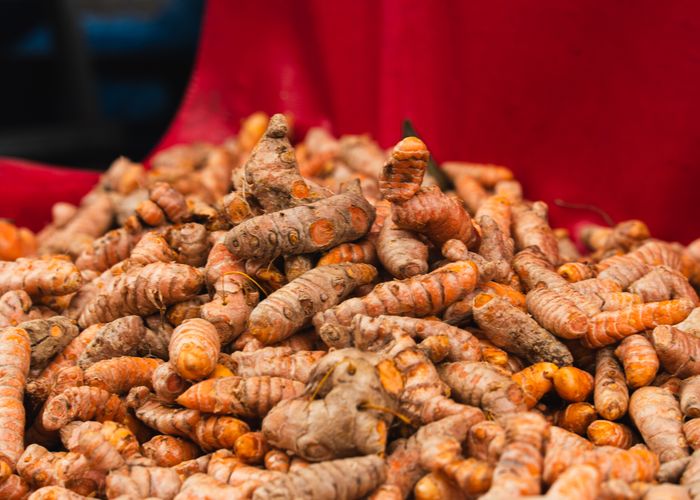
Used as a natural yellow coloring for rice (known as "dilaw na kanin" or yellow rice served at celebrations), brewed as herbal tea (salabat na dilaw), ground into curry powder, and used in traditional medicine preparations. Also added to soup broths for color and mild earthy flavor.
Luyang dilaw (turmeric) is a traditional Filipino medicinal plant used for centuries as an anti-inflammatory, digestive aid, and wound healer. It is essential for making yellow rice during fiestas and celebrations. In Mindanao, it plays a role in Maranao and Tausug traditional cooking.
Germination Guide
From rhizome to sprout — here’s what to expect.
Planting Instructions
Everything you need to prepare — soil, spacing, depth, and the best Philippine planting months.
Propagation Methods
Learn the best ways to multiply your plants.
Care Guide
Keep your plant happy and thriving with the right light, water, and nutrients.
Partial shade to full sun (4-6 hours direct); tolerates dappled light under trees
Regular watering during growing season; reduce when leaves begin to yellow (dormancy signal)
Compost or aged manure mixed at planting; side-dress with vermicast every 6-8 weeks
25-35°C (tropical heat is ideal)
70-90%
Mulch heavily to retain moisture. Hill soil around the base as rhizomes develop. Do not disturb roots during growing season.
Harvest Guide
Know when and how to harvest for the best yield and flavor.
Leaves turn yellow and begin to dry down. The plant enters dormancy naturally. This is the signal that rhizomes are mature and full of curcumin.
Carefully dig up the entire clump with a garden fork. Separate the rhizomes. Save some with buds for replanting. Wash, dry, and store fresh rhizomes in the fridge for 2-3 weeks, or boil, dry, and grind into turmeric powder for long-term storage.
Common Problems & Solutions
Spot issues early and fix them fast.
Rhizome rot
Cause: Waterlogged soil or poor drainage
Solution: Ensure well-drained soil. Add perlite or sand to heavy clay soils. Plant in raised beds in flood-prone areas.
Leaf spot (brown or yellow patches)
Cause: Fungal leaf spot (Colletotrichum or Taphrina)
Solution: Remove affected leaves. Improve air circulation. Apply copper-based fungicide if severe.
Small rhizome yield
Cause: Insufficient nutrients, too much shade, or harvesting too early
Solution: Apply compost regularly. Ensure 4-6 hours of sunlight. Wait full 8-10 months before harvesting.
Shoot borer (wilting central shoot)
Cause: Conogethes punctiferalis moth larvae boring into shoots
Solution: Remove and destroy affected shoots. Apply neem oil spray as a preventive measure. Practice crop rotation.
Perfect Plant Partners
Plants that grow well together.