
Artificial Grass in the Philippines, and Why We Still Plant the Real Thing
Let us be straight with you before you read any further: we do not sell artificial grass. We supply and lay natural lawn grass, so we have an interest in what you conclude here.
That said, the case against plastic grass in a tropical country is not a sales pitch, it is a temperature reading. Below is what the measurements actually show, where artificial genuinely does make more sense than natural, and what we would put down instead.
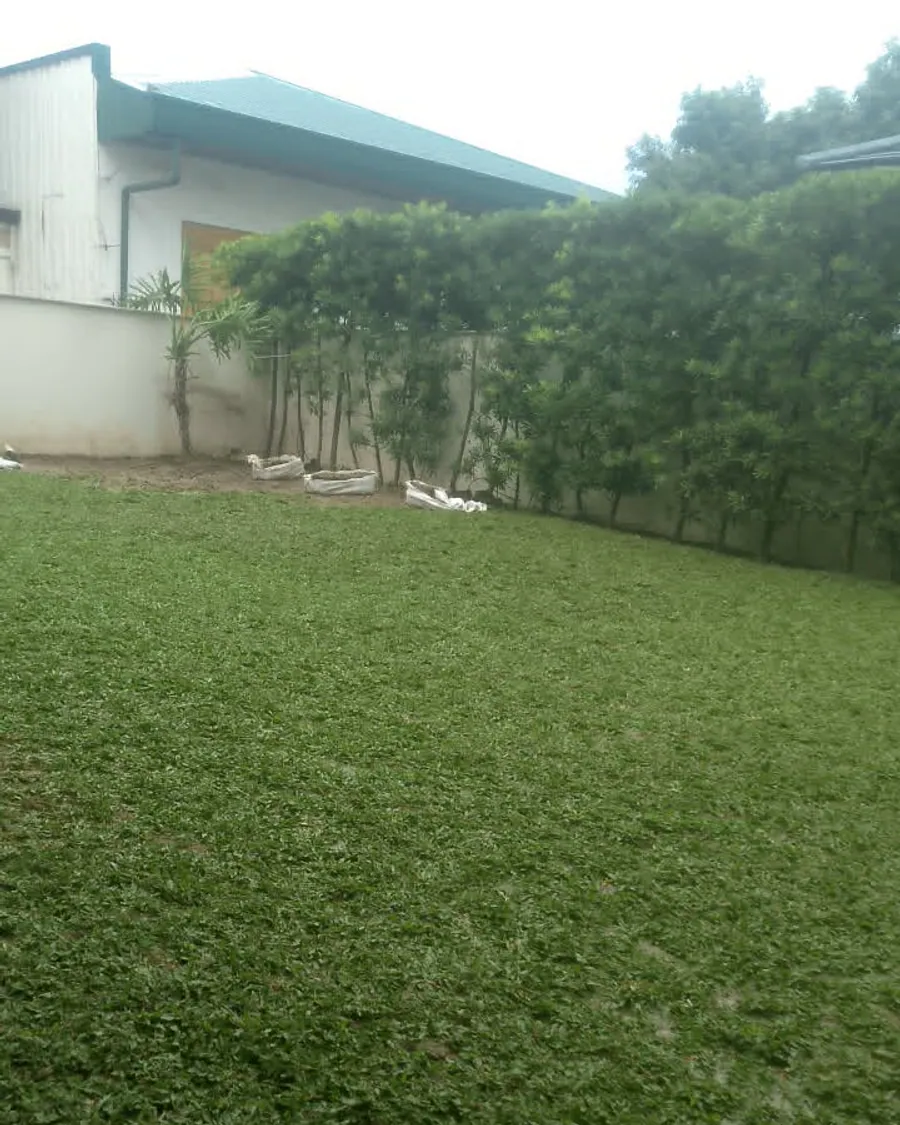
Six reasons we keep planting the real thing
Ordered by how much they will actually affect you here.
It runs far hotter than the air around it
This is the one that matters most in a tropical country. Measured over 51 days, artificial turf averaged a daytime surface temperature of 49.9°C while irrigated natural grass sat at 29.9°C. Natural grass cools itself by releasing water vapour, so it tracks close to air temperature. Plastic cannot do that, so it absorbs sunlight and holds it. In the same study the surface stayed above the 48°C skin-burn threshold for nearly four hours a day. On a 34°C Manila afternoon that is a surface children and pets cannot comfortably stand on.
The other side of it: In fairness, turf manufacturers point out that whole-body heat stress measured by wet bulb globe temperature comes out similar on both surfaces. That is about athletes in open fields. It does not change how hot the surface itself gets underfoot in a small garden.
When it wears out it becomes rubbish that nobody will take
Artificial grass lasts 8 to 10 years. After that it is a large sheet of mixed plastic and backing. Producers describe it as recyclable, but in practice very few facilities accept it, and there is no disposal regulation to force the issue, so most of it is landfilled, burned or dumped. Natural grass at the end of its life is compost. You dig it in and it feeds the next thing you plant.
It sheds plastic the whole time it is down
Artificial turf loses 0.5 to 8% of its blades every year as they break down in UV and rain. Those fibres wash into drains and waterways. In Norway, where this has been measured properly, artificial turf accounts for more than a third of the country's microplastic pollution. In a garden that drains to a Metro Manila estero, the same thing happens on a smaller scale.
It looks worse every year, and there is no fixing it
Plastic blades flatten under foot traffic and curl in constant sun. Matted patches do not spring back and cannot be repaired, only replaced. Natural grass does the opposite. It thickens as it establishes, fills its own bare spots, and recovers from damage on its own if you water it.
It never multiplies
Carabao, Frog and Blue grass all spread by runners. Give a lawn a few months of care and you can lift sections and replant them along a path, a side yard or a new bed, at no cost. What you buy once keeps producing. Artificial grass is a fixed quantity from the day it is installed, and every extra square metre is another purchase.
The cheap option stops being cheap
Artificial grass costs several times more per square metre up front, then needs full replacement inside a decade, plus disposal. Natural grass here is ₱199 per square metre, and with watering and the occasional mow it simply keeps going. Over ten years there is not much of a contest.
When artificial grass is the right call
We would be arguing dishonestly if we said never. There are places where nothing living will survive, and plastic is the sensible answer:
- ✓A condo balcony or a rooftop with no soil and no drainage to plant into.
- ✓Indoor areas and covered spaces where nothing green would get enough light.
- ✓Small decorative panels and green walls where nobody walks or sits.
If your space is one of those, buy artificial with our blessing. If you have open ground and sunlight, the rest of this page applies.
The grass
What we supply and lay
We are not only installers. The lawn grass comes from our own depot, so supply and labour are the same job with one point of contact.
Carabao Grass
In stockThe default choice for Philippine lawns. Broad soft blade, handles heat and heavy rain, forgiving if watering slips.
See Carabao Grass →Frog Grass
In stockFiner blade and a tighter mat than Carabao. Popular where a neater, more manicured look is wanted.
See Frog Grass →Blue Grass
In stockBlue-green tone that holds colour well. A good contrast against paving and stone.
See Blue Grass →Bermuda Grass
Not stocked right nowNot stocked at the moment. Tell us if you want Bermuda and we will point you to the closest match we carry, usually Frog Grass for a fine blade.
Ask what we can substitute →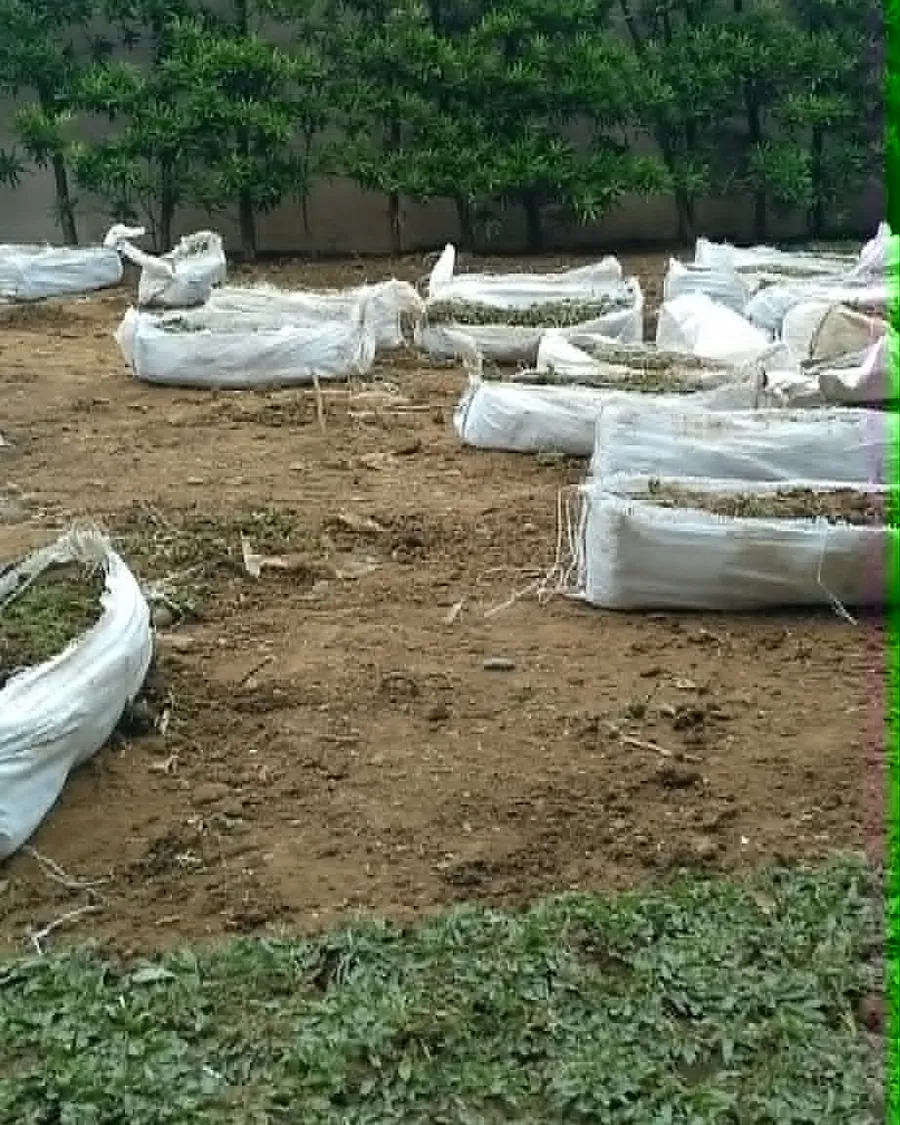
Freshly cut grass delivered to site from our 664 Commonwealth Avenue, Novaliches depot.
Buying the grass turf only and laying it yourself? All three in-stock types are on the grass shop pages, same ₱199 per sqm, same 10 sqm minimum.
Questions people ask us
No. We supply and install natural lawn grass only, which is why this page argues the case it does. If artificial genuinely suits your space, and for a balcony or an indoor wall it might, we would rather tell you that than sell you the wrong thing.
Measured across 51 days, artificial turf averaged 49.9°C at the surface during the day against 29.9°C for irrigated natural grass. It stayed above the 48°C skin-burn threshold for close to four hours daily. Natural grass evaporates water and stays near air temperature; plastic has no way to do that.
Eight to ten years before it looks visibly worn. The blades flatten under traffic and curl in the sun, and matted areas cannot be revived, only replaced.
Realistically, no. It is described as recyclable, but very few facilities anywhere accept it, and the Philippines has no disposal route set up for it. Plan on it going to landfill.
Carabao Grass for most Philippine gardens, since it takes heat, heavy rain and foot traffic. Frog Grass if you want a finer, neater blade. Blue Grass for colour contrast against paving. All three are ₱199 per square metre with a 10 sqm minimum.
It needs watering, especially in the first fortnight while the roots take, and mowing every few weeks in the wet season. In exchange it cools the space around it, spreads on its own, and never needs replacing. Our crew can handle the upkeep if you would rather not.
Ready to put down real grass?
From ₱199 per square metre, 10 sqm minimum, cut to order and delivered across Metro Manila the next morning. We can lay it for you or you can do it yourself.
Or call +63 919 090 9380
Where these numbers come from
- Surface temperature, evapotranspiration and the 48°C burn threshold: The microclimate, surface energy flux and human skin burn risks of artificial turf as compared to natural turf, Building and Environment, 2025.
- Manufacturer position on whole-body heat stress and wet bulb globe temperature: FieldTurf.
- Lifespan, recyclability in practice and end-of-life disposal: Beyond Plastics, and PEER's review of turf recycling claims.
- Blade loss and microplastic share: Beyond Plastics synthetic turf fact sheet, citing Norwegian waterway sampling.